
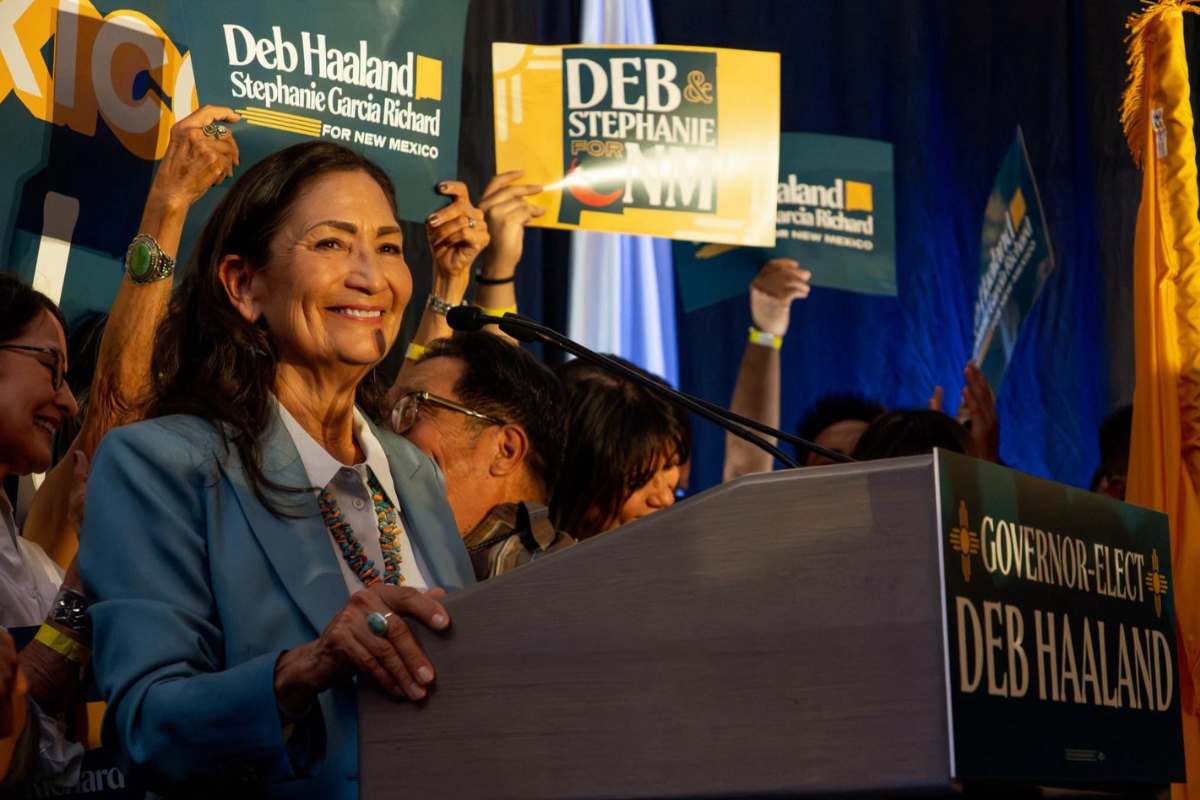
By Kevin Hendricks — New Mexico made history Tuesday night with Deb Haaland winning her campaign to be the first Native American woman to win a governor’s seat.
Haaland, a Laguna Pueblo member and former U.S. Interior secretary, beat Republican Gregg Hull by 14 points to become New Mexico’s next governor. She takes office Jan. 1, and the Legislature convenes Jan. 19-March 20. That gives her just weeks from taking office to earn enough legislative support to turn campaign promises into a budget and policy wins to enact them.
Haaland celebrated at the Democratic Party of New Mexico’s election night party at Route 66 Casino-Hotel on Laguna Pueblo, her home pueblo, where hundreds of people celebrated the night with her. Albuquerque Mayor Tim Keller and state Sen. Cindy Nava emceed the night as Haaland shared the stage with running mate Stephanie Garcia Richard, U.S. Rep. Teresa Leger Fernandez, Treasurer Laura Montoya, House Speaker Javier Martínez, Attorney General Raul Torrez and several other Democrats.
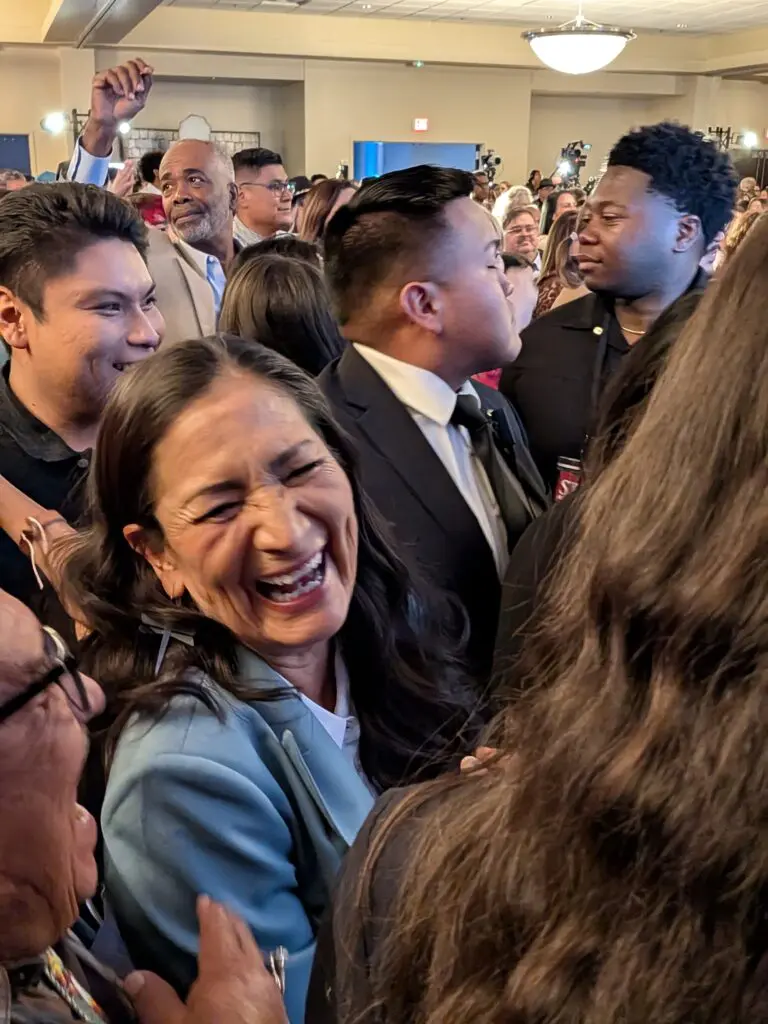
Haaland told the crowd she grew up just off Route 66, where her grandmother was taken to a federal boarding school that tried to strip away Native languages and traditions.
“Yet … we are still here,” she said.
She thanked Hull for “running a respectful campaign” and spoke to the voters who didn’t back her. “I am proud to be your governor, too,” she said.
From the stage, Haaland laid out her early to-do list: reading coaches in classrooms, fixing the Children, Youth and Families Department “on Day One,” a path toward universal health care, bigger tax credits for working families and higher wages. She also warned that 89,000 New Mexicans are projected to lose Medicaid coverage in January, the month she takes office. She blamed the federal budget law she called “Trump’s Big Ugly Bill.”

Hull told supporters at Hotel Albuquerque that he had called Haaland to concede and congratulate her. “We gave it a heck of a run,” he said, calling the race a “David and Goliath situation.”
He said New Mexicans will hold the state government accountable on schools, deaths of children in CYFD custody, rural health care and infrastructure. Much of that list matches Haaland’s.
“We have to demand opportunity for our children,” Hull said.
What she promised
Haaland ran on four pillars she calls Deb’s Plan. On affordability, she promised to raise the minimum wage and the child tax credit, and to ban landlords from using AI software to push rents higher. On schools, she pledged to expand the Opportunity Scholarship through graduate school and fix aging buildings with unspent state construction money. On public safety, she proposed a state Office of Community Safety staffed by social workers and counselors, alongside more tools for police chasing violent offenders. On health care, she vowed to keep medical debt off credit reports and use budget surpluses to continue subsidizing healthcare costs for New Mexicans whose healthcare premiums rose after President Trump’s “Big Beautiful Bill” cuts to Medicaid and individual insurance premium subsidies.
Governors propose. But legislators and bureaucrats dispose. Most of Haaland’s campaign promises will need a vote, a budget line or a partner. Some will need all three.
So we asked the people whose support Haaland has to earn how they they see working with a Haaland-Garcia Richard administration. We talked with the Democratic legislators expected to carry her bills, the Republicans who spent a year campaigning against her, and the local officials who have to live with whatever Santa Fe sends down the road.
What the money can bear
Haaland walks in with cash. State economists project about $924 million in new money for the budget year starting July 2027, according to the August consensus revenue estimate. That’s roughly 6.7% more than this year’s spending.
The catch: Recurring revenue grows just 1.5% that year, and economists expect revenues to sink $1.2 billion below their 10-year trend. Oil and investment earnings carry much of the load. Every $1 drop in the price of a barrel of oil costs the state about $56.5 million.
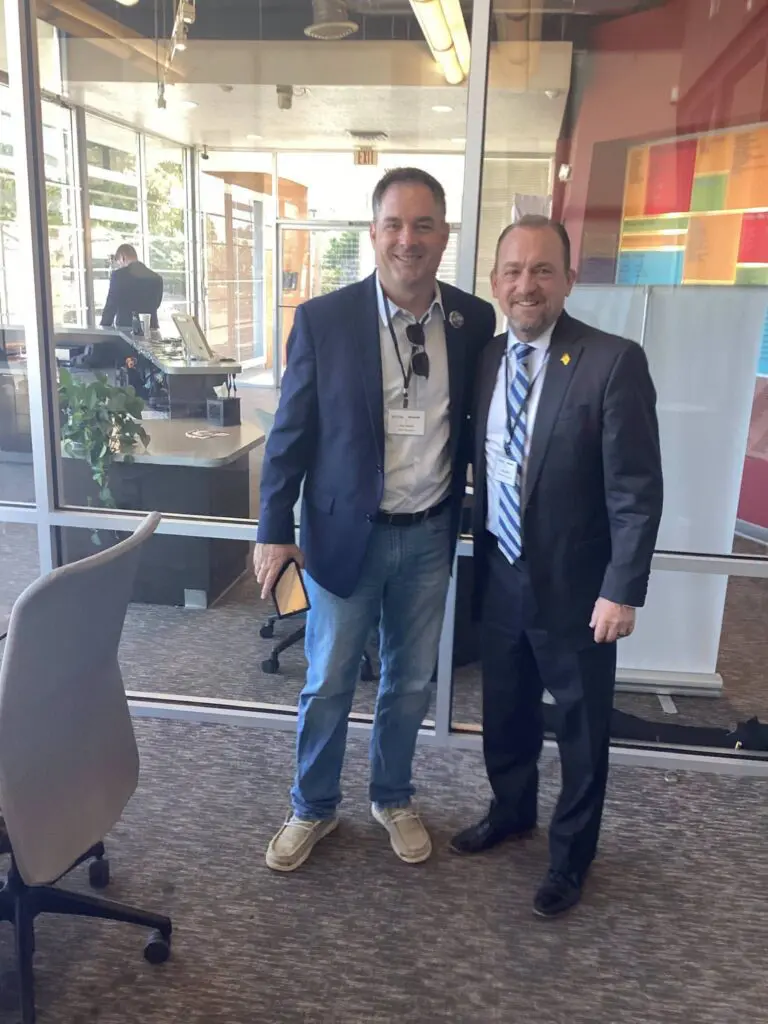
Republicans are already asking the same question. “I want to know how she is going to fund all these other programs,” said state Sen. Jay Block, a Republican from Rio Rancho.
Affordability
A higher minimum wage, a bigger child tax credit and a ban on rent-pricing software all start as bills, and all three need the House to move first. House Speaker Javier Martínez controls which bills get a fast track and which get a long nap in committee.
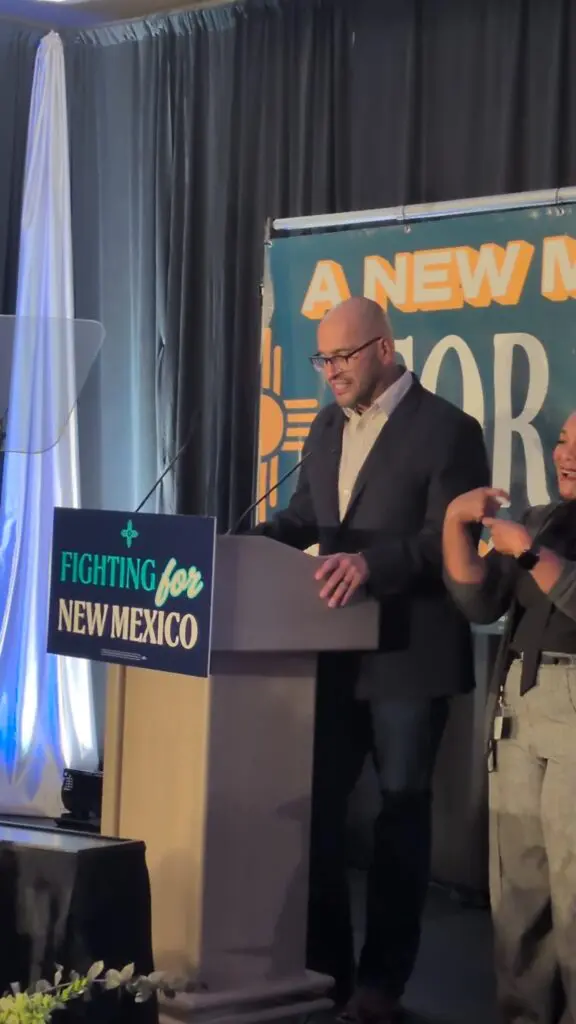
Martínez didn’t say how likely the three proposals are to pass. In a statement, he said House Democrats are “excited to work with the new governor” on them and on other measures covering health care, housing and jobs.
Expect changes along the way. Lawmakers will “carefully vet these proposals” and “help shape them,” Martínez said, before working quickly to pass them.
Education
Sending more students through graduate school on the Opportunity Scholarship costs money every year, though Haaland’s plan limits the expansion to fields the state needs most: education, health care, social work and public safety. Fixing aging school buildings with state construction money already on the books costs a signature and some follow-through. Local districts feel both.
“Additional investment in aging school facilities would certainly be welcome,” Rio Rancho Public Schools said in a statement on behalf of Superintendent Robert Dodd, who has met with both candidates.
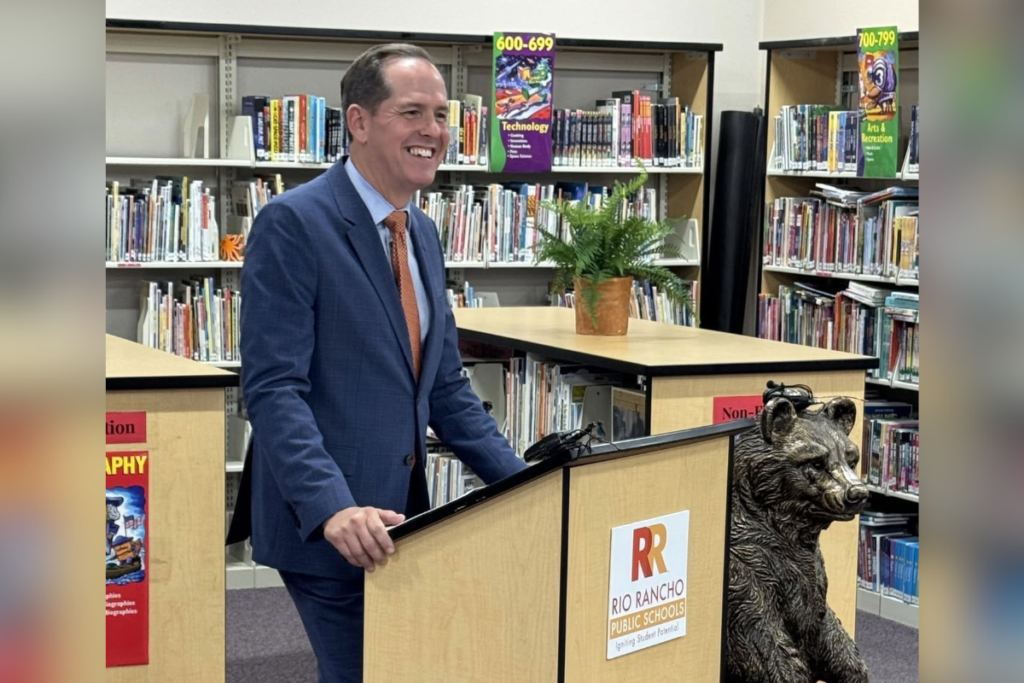
The district also wants recurring state money for extracurriculars, behavioral health services, career and technical education, intensive special education services and school safety.
Health care
Lawmakers already backfilled lost federal premium help once. During an October 2025 special session, they tapped the state’s Health Care Affordability Fund for $17.3 million to shield BeWell enrollees from rate hikes. Haaland wants surplus dollars to keep that going.
House Democrats already have a related idea queued up. A pre-election plan would spend $2 million over three years with the nonprofit Undue Medical Debt to buy and erase an estimated $200 million in medical debt for 100,000 to 160,000 New Mexicans.
No one should struggle to cover basic expenses “because of a medical bill they can’t afford,” said Rep. Liz Thomson, D-Albuquerque, chair of the House Health and Human Services Committee.
Albuquerque
The state’s largest city brings the state’s biggest wish list, and Mayor Tim Keller is counting on an old friend to help fill it.
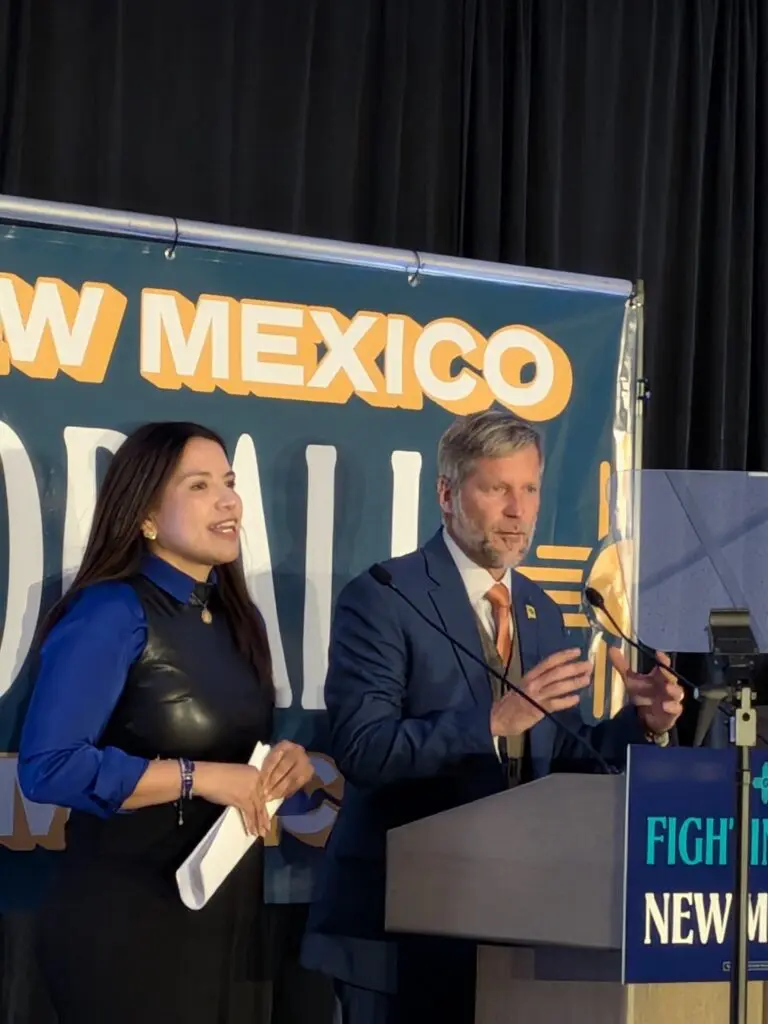
Keller said he and his wife, Liz, have known Haaland for nearly 20 years, from the Obama campaign to his first state Senate race to her federal roles. He called her brand of leadership “rare in politics” and said the two agree on his Abundance agenda, which focuses on using existing resources to ease everyday costs.
His asks: the Gateway System of Care for homelessness and addiction services, the Rail Trail, homelessness, addiction and public safety.
“I have full confidence she will be a steadfast partner in addressing our most critical needs,” Keller said.
Rio Rancho
Rio Rancho voters know Hull best. He ran their city before he ran for governor. Now the City of Vision needs something from the governor who beat him, and the task falls to Mayor Paul Wymer, the Republican who succeeded Hull at City Hall.
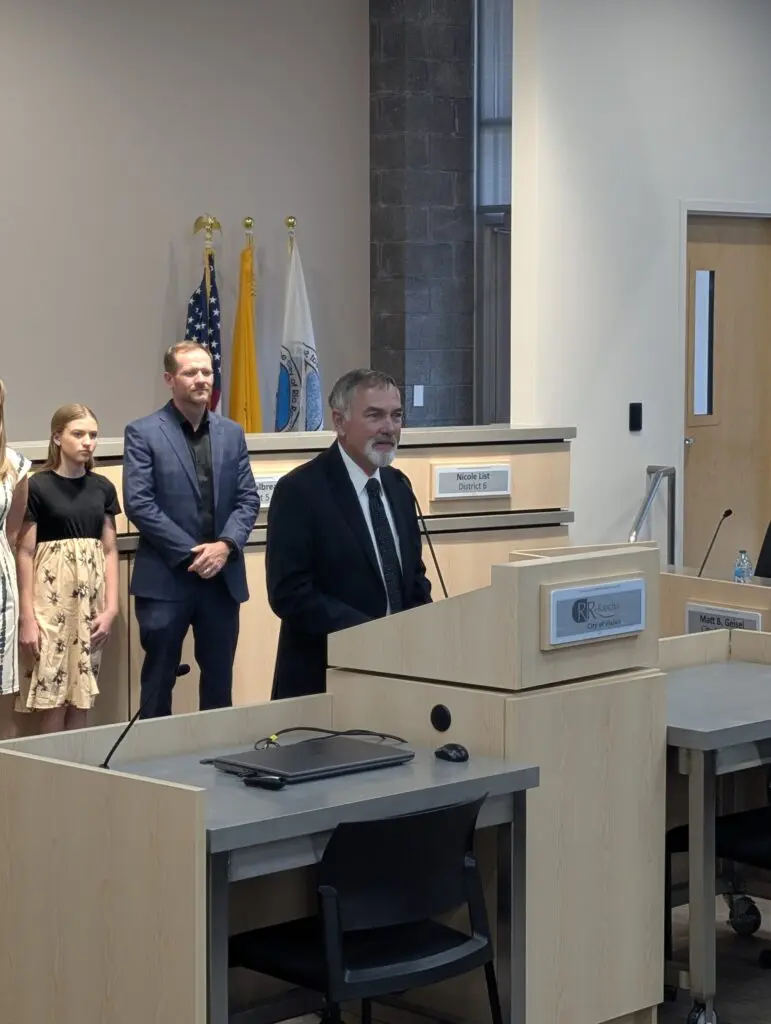
Wymer expects a relationship much like the one the city had with Lujan Grisham, whose administration put $2 million in capital outlay toward Fire Station 8. He wants more state construction money for Rio Rancho and regional transportation projects.
The governor’s race “will not influence the way the city works with the Haaland administration,” Wymer said.
The Governing Body votes on the city’s legislative and capital outlay priority list Nov. 19. Once adopted, it goes to the governor’s office and the city’s state lawmakers.
BY THE NUMBERS
- $924.2 million: New money available for the 2027 session
- 1.5%: Projected recurring revenue growth that budget year
- $56.5 million: Revenue impact of a $1 change in oil prices
- $4.4 billion: State reserves, or 40% of recurring spending
WHAT’S NEXT
- Jan. 1: Haaland takes office
- Jan. 19: 60-day legislative session begins
- March 20: Session ends
GET INVOLVED
- Find your legislators and track bills: nmlegis.gov
Share this story and start a conversation