

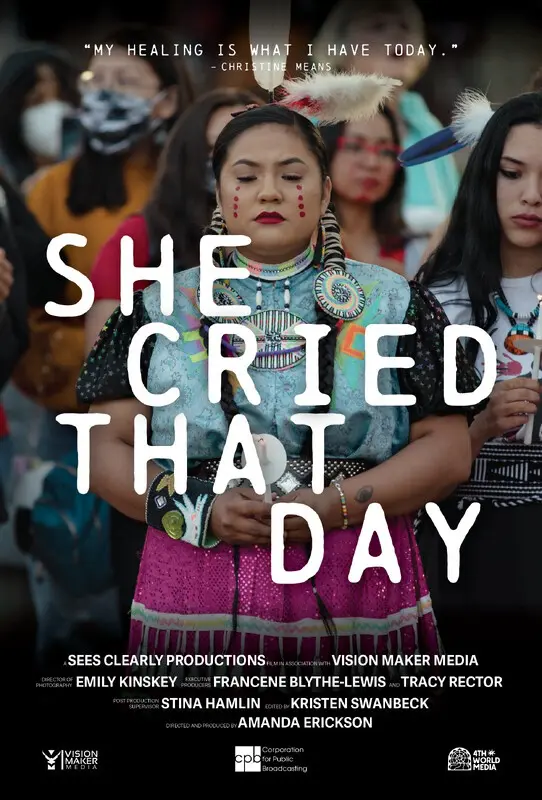
By Sara Atencio-Gonzales, The Paper. – An Albuquerque-based filmmaker is bringing attention to the Missing and Murdered Indigenous Women and Relatives crisis through a documentary that follows one New Mexico family’s yearslong search for answers.
She Cried That Day, directed by Amanda Erickson, will air on PBS World beginning Nov. 5 as part of Native American Heritage Month. The film explores the challenges Indigenous families face when seeking justice for their loved ones, while highlighting the strength of women and advocates working to address the crisis.
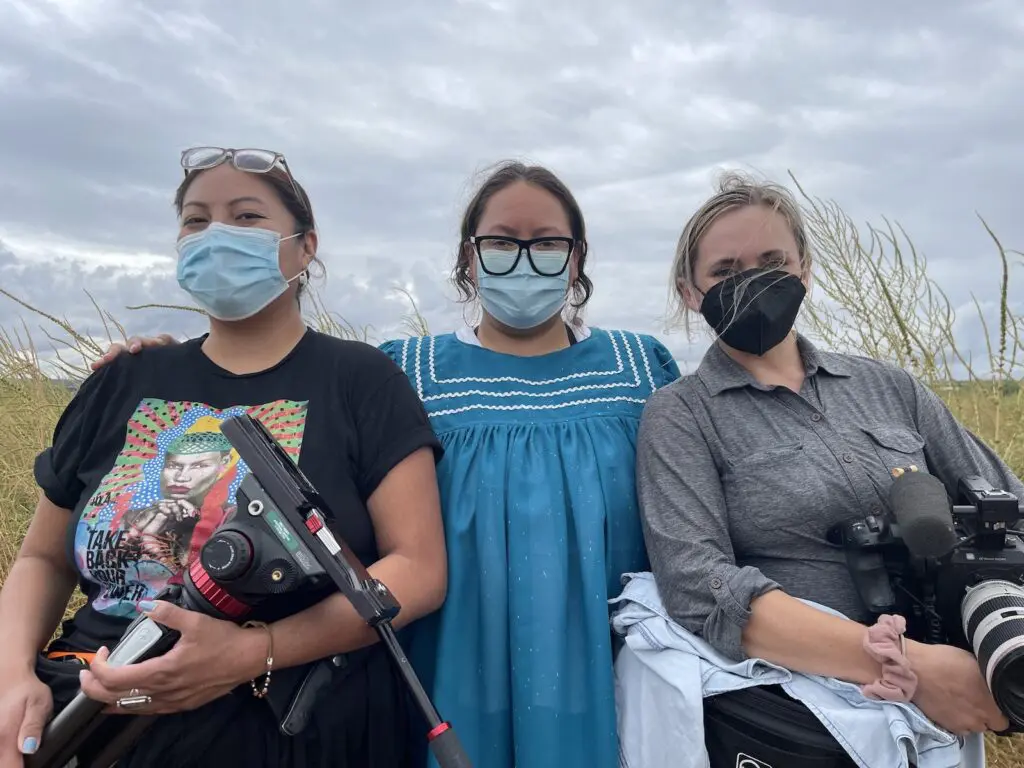
For Erickson, a member of the San Carlos Apache Tribe, the documentary began with a personal journey of reconnecting with her heritage.
Erickson spent nearly 20 years in New York working in television production, including daytime talk shows and documentary series. Although she had years of storytelling experience, directing her own documentary was never part of her original plan. That changed when she reconnected with her father as an adult and began learning more about her Apache culture.
Growing up in Massachusetts outside her tribal community, Erickson said she often questioned where she belonged. Attending her first Sunrise Ceremony with her father in Bylas, Arizona, became a turning point. “I walked away from that week a different person wanting to give back to the community,” says Erickson.
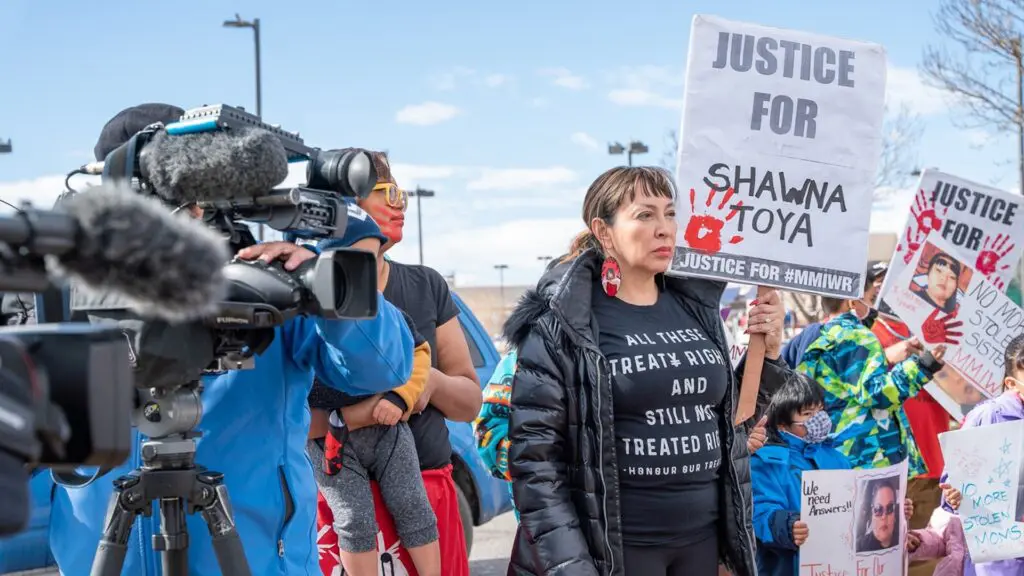
Around that time, Erickson began learning about the Missing and Murdered Indigenous Women crisis and the advocates addressing it in New Mexico. Her research eventually led her to Christine Means, whose sister, Dione, died after being found unconscious and bloody in a Gallup motel room in 2015.
Erickson first heard Christine speak about her sister during a Missing and Murdered Indigenous Women task force meeting in November 2019. Christine’s story became the heart of She Cried That Day, which follows her family’s continued search for answers surrounding Dione’s death.
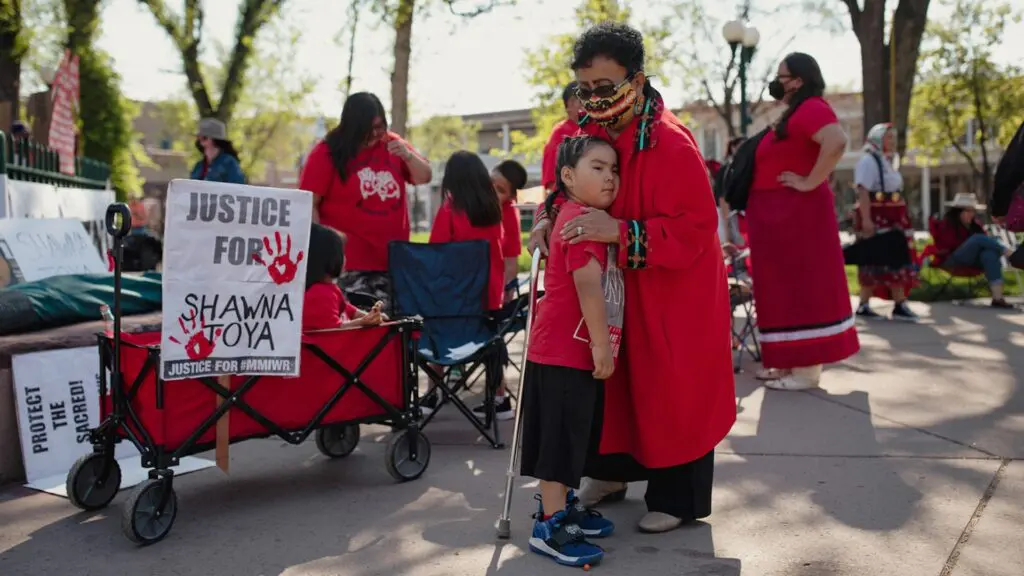
Over six years of filmmaking, Erickson worked closely with the family and community organizations, including the Coalition to Stop Violence Against Native Women and Three Sisters Collective.
Erickson explains that allowing families and advocates to help shape the documentary was essential, particularly given the sensitive subject matter. “I know how true crime can be done. I know how it can be exploitative, and I didn’t want that for this,” says Erickson.
Throughout filming, Erickson emphasizes that she was struck by the obstacles families encounter when navigating law enforcement agencies and government systems. She describes families struggling to receive updates about investigations, sometimes discovering cases had been closed without their knowledge.
Despite those challenges, Erickson explains that she was equally moved by the determination of Indigenous women who continue searching for loved ones while supporting their families and communities.
With the documentary reaching a national audience, Erickson hopes viewers gain a better understanding of those struggles and recognize the importance of supporting organizations working toward change. She is also working with families on potential legislation addressing communication between investigative agencies and families.
For Erickson, the documentary is ultimately about more than raising awareness. It is about encouraging people to take action. “There’s this cycle of attention and then silence,” says Erickson.
She Cried That Day airs Thursday, Nov. 5, at 5 p.m. Mountain Time on PBS World. The documentary is also available to stream through PBS.