

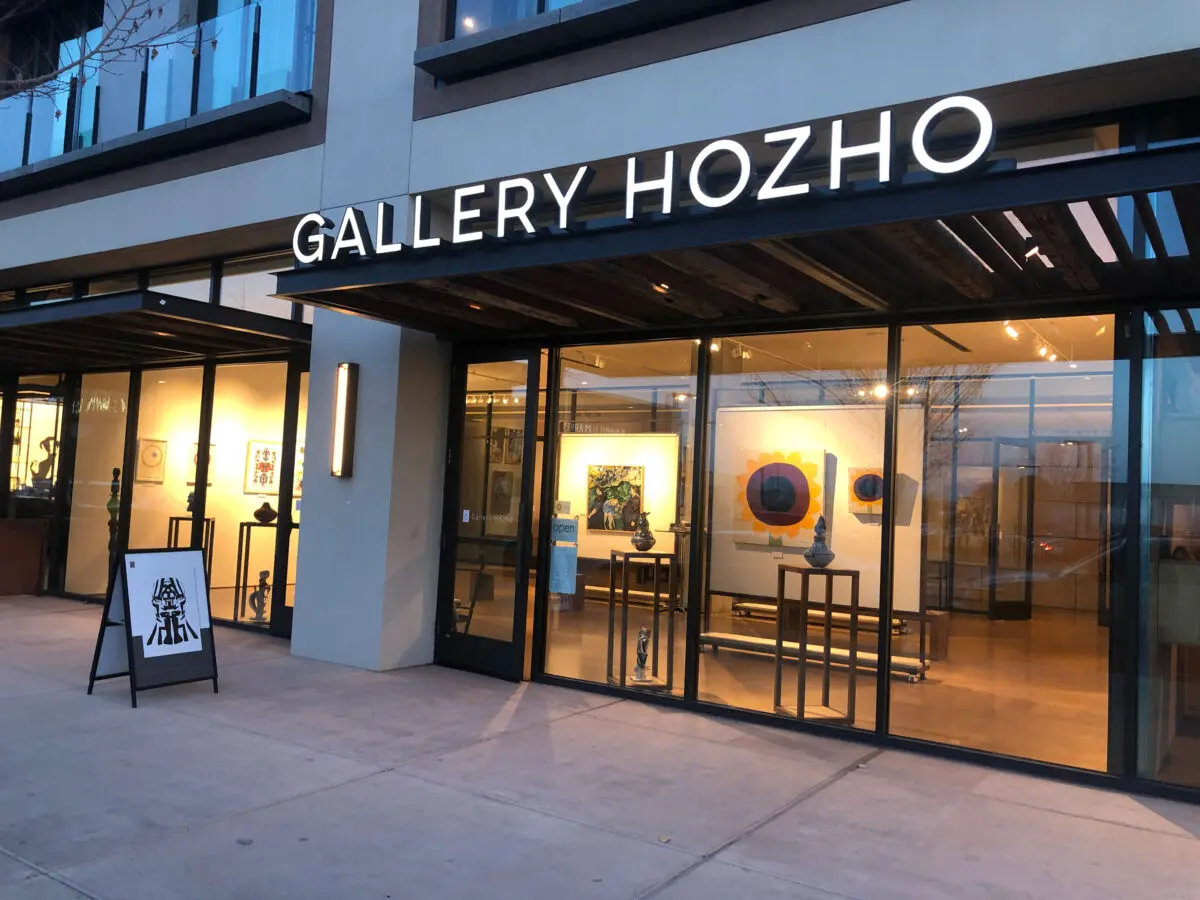
By Sara Atencio-Gonzales, The Paper. – For Suzanne Fricke, art is as much about understanding place, history and culture as it is about what hangs on a gallery wall. An art historian, curator and educator, Fricke has spent much of her career studying and championing contemporary art from the Southwest, with a particular focus on Native American art. Today, she brings that experience to Gallery Hózhó at Hotel Chaco, where she has served as owner and director since 2020. The Albuquerque gallery showcases contemporary work by New Mexican artists and takes its name from the Diné concept of hózhó, which encompasses harmony, order, health and well-being. For Fricke, that philosophy extends beyond the gallery’s name, shaping how she thinks about art, the artists she represents and the connections their work can create with audiences.
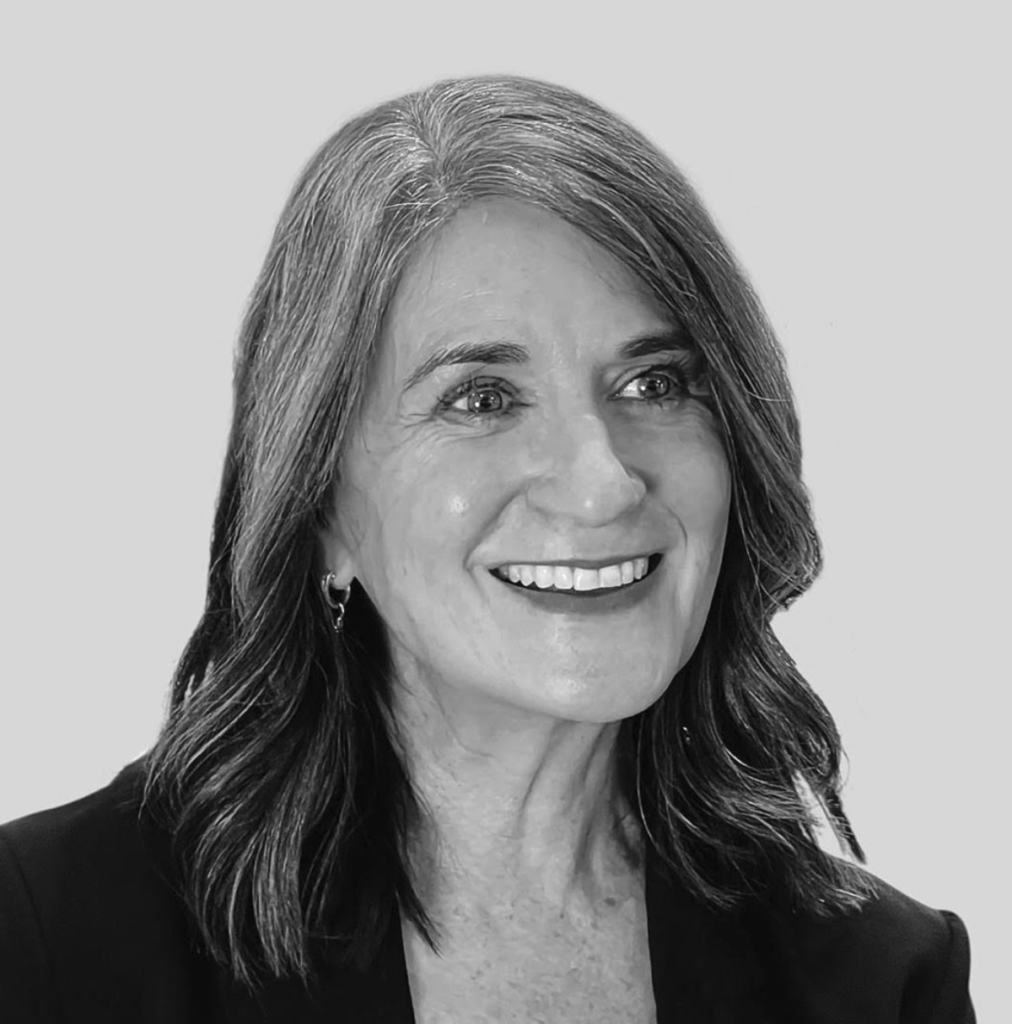
1. You’ve spent much of your career studying, teaching and curating art of the Southwest and contemporary Native American art. How has that background shaped the way you approach your work at Gallery Hózhó?
Having studied, taught, written about and curated primarily contemporary art from the Southwest, while also teaching art from the Western canon, has given me a rich context for understanding the artists and work I encounter at Gallery Hózhó. Contemporary art from the Southwest is part of a much larger history of artistic production, while also emerging from this region’s particular histories, cultures, landscapes and communities. My background in art history has taught me to look closely at how artists engage with history, materials, place, cultural traditions and contemporary ideas. My work with Native American art has also shown me the importance of viewing artists within their own cultural and historical contexts, rather than treating Native art as a single category or as separate from contemporary art more broadly. At Gallery Hózhó, I bring this perspective to the artists I represent and the exhibitions I organize. I want to provide context for the work without telling visitors how they should understand it. Ultimately, my goal is to create opportunities for artists to be seen, understood and engaged with on their own terms, while helping audiences recognize the depth and significance of contemporary art being made in New Mexico.
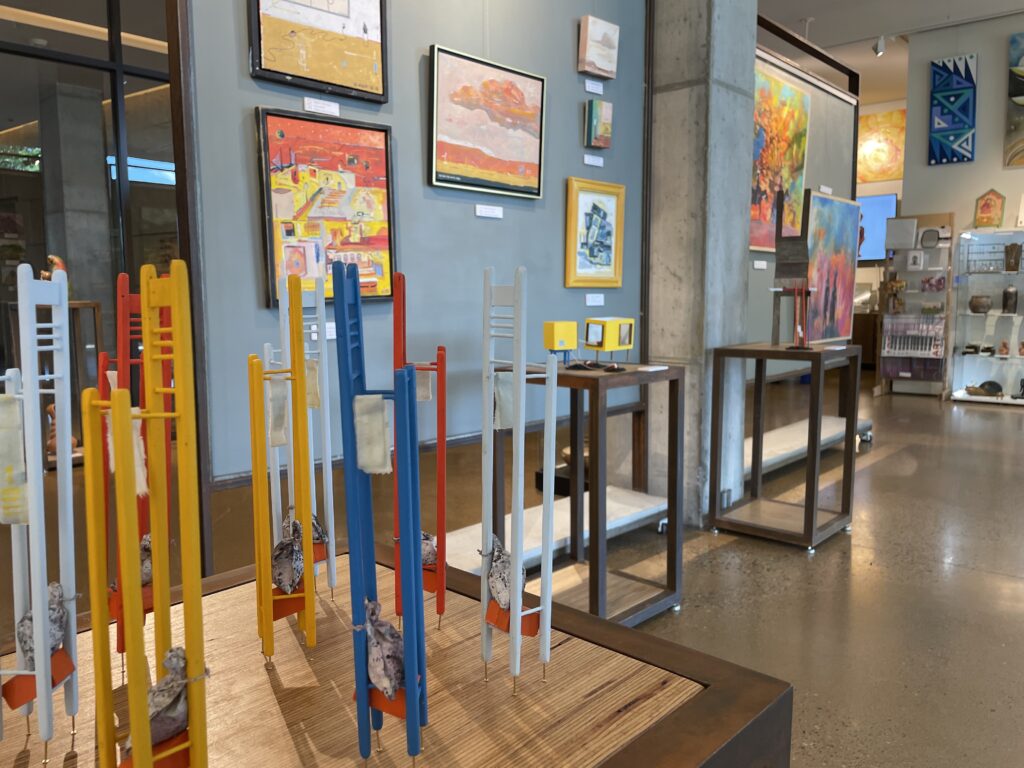
2. Gallery Hózhó takes its name from the Diné concept of harmony, order, health and well-being. How does that idea influence the artists and work you bring into the gallery and the experience you hope to create for visitors?
The Diné concept of hózhó aligns with my understanding of art and art history, particularly in relation to work from the Italian Renaissance, which was the focus of my master’s degree. Hózhó connects beauty, order, health and ethical living, viewing art as an integral part of culture and life rather than a luxury or status symbol. In Diné culture, this connection is embodied in sand paintings, whose geometric patterns, colors and beauty are used in healing ceremonies to restore balance and health. The relationship between beauty, order and well-being also appears throughout Renaissance art. Leonardo da Vinci wrote that “medicine is the restoration of discordant elements,” connecting health with the restoration of harmony. Renaissance paintings, sculpture and architecture were likewise created for specific purposes and were integral to religious, civic and personal life. This understanding shapes my approach to Gallery Hózhó. I look for artists whose work carries meaning, history, beauty and a connection to place and community. I want visitors to encounter art not simply as something to acquire, but as something that can enrich daily life, stimulate thought, create connection and support a feeling of well-being.
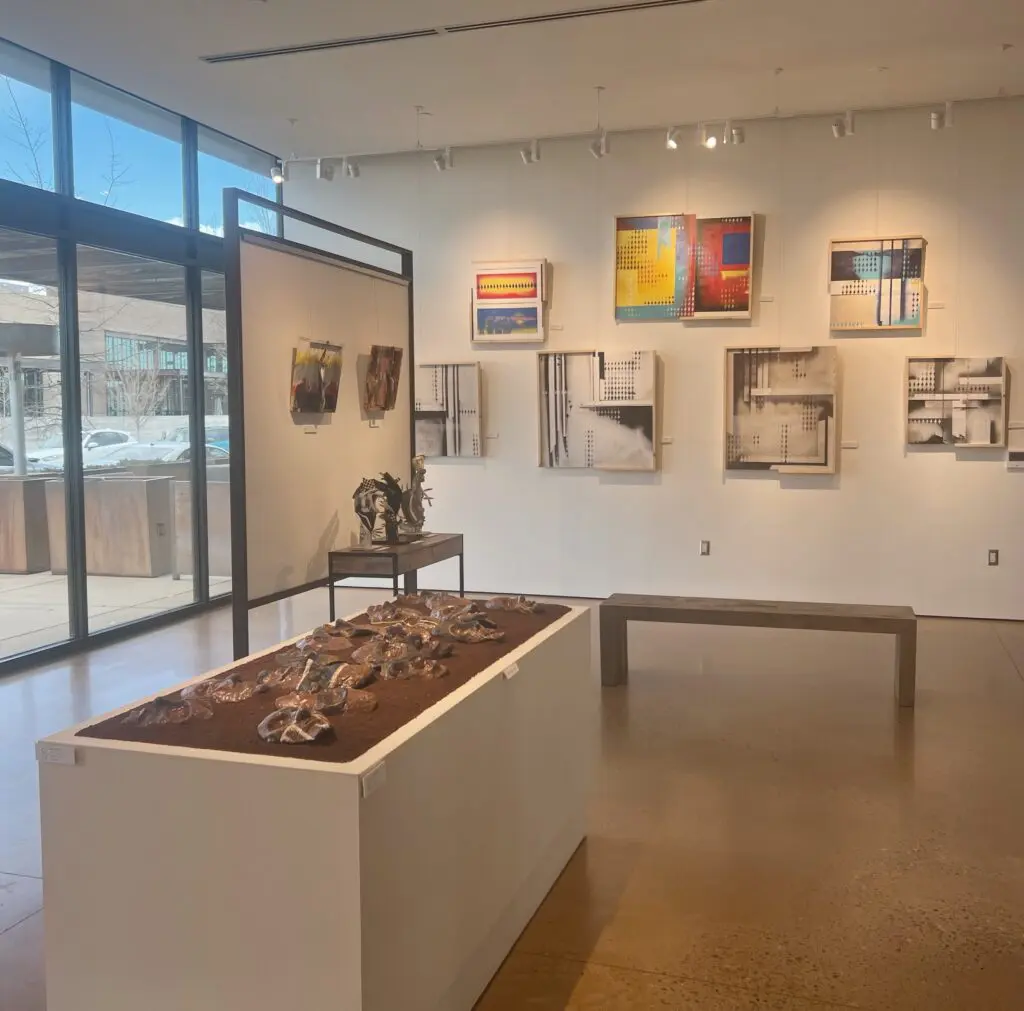
3. What excites you most about the contemporary art being made in New Mexico right now, and what do you wish more people understood about the artists working here?
Throughout history, the New Mexico art world has been, and continues to be, a cultural and financial resource, attracting artists, collectors and scholars to the state. In the last few years, there have been a number of changes to the art world in the state, with new leadership coming into museums and other organizations, including Marissa Sage taking the helm at the Museum of New Mexico and Danyelle Means (Oglala Lakota) at the Museum of Indian Arts and Culture (MIAC). Other institutions are also looking for new leadership. The directors of several museums and organizations that feature contemporary art, including 516ARTS, the Museum of Contemporary Native American Art and the Wheelwright Museum of the American Indian, have retired, creating opportunities for new leadership and new ideas.
More exhibition spaces have also opened, including Vladem Contemporary, part of the Museum of New Mexico, and the JoAnn and Bob Balzer Gallery at MIAC. These spaces are presenting ambitious contemporary work, including Virgil Ortiz’s (Cochiti Pueblo) Continuum: Blindfall, First Strike at Vladem, which combines ceramics and video. With new spaces and new leaders coming to the area, this moment is exciting because it creates new opportunities for artists and expands the ways contemporary art in New Mexico can be seen and understood.