

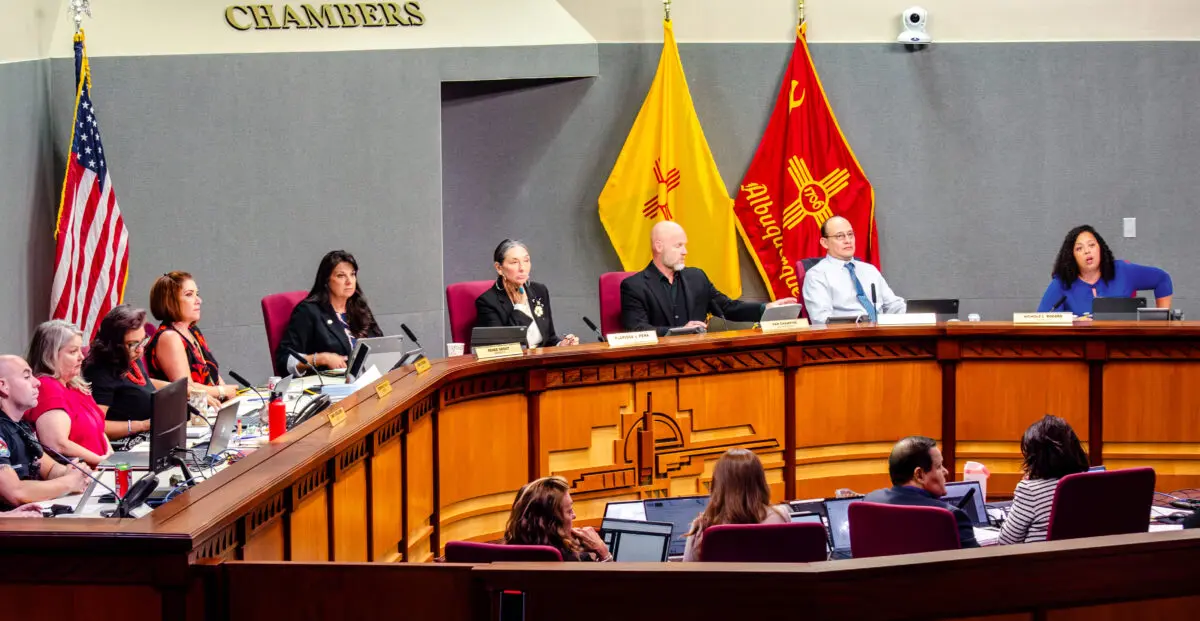

By Jesse Jones, The Paper. — Taxpayers in the Duke City will not see a proposed gross receipts tax increase on their November ballots after city councilors used a procedural move to stop the measure before it reached a vote.
During the Aug. 3 City Council meeting, Councilor Tammy Fiebelkorn used a parliamentary challenge to block Council President Klarissa Peña’s Resolution R-26-58 from advancing through the President’s Letter of Introduction. Citing Robert’s Rules of Order, Fiebelkorn argued the proposal was substantially the same as three gross receipts tax measures the council rejected earlier this year. “Strategic editing doesn’t create a new question,” Fiebelkorn said, arguing that changing the percentage allocations did not make the proposal different. The council voted 7-2 to uphold the objection and remove the measure from the agenda, with Peña and Councilor Brook Bassan voting to allow the proposal’s introduction.
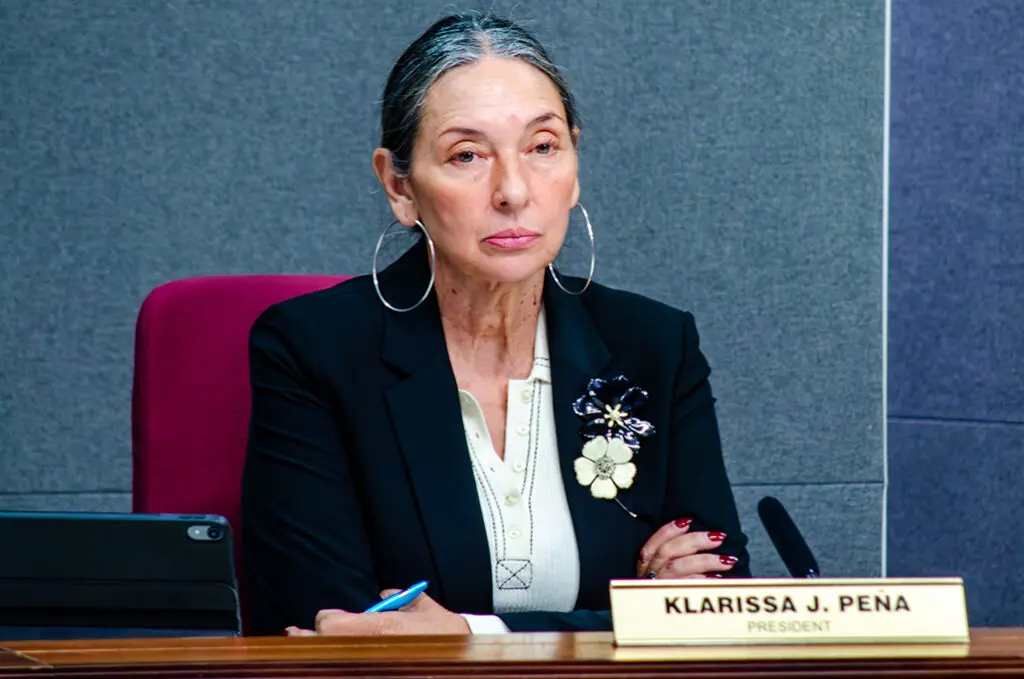
Peña pushed back against the procedural move during the meeting and in a post-meeting statement. “I am deeply disappointed by the procedural maneuver taken tonight to defeat R-26-58 before the public ever had the chance to weigh in,” Peña said in an official press release following the meeting. She added during the council meeting that the vote “took the ability away from you, the voters, to make the decision.”
With the measure off the table, city leaders must address staff vacancies and employee pay issues within the existing budget.
What stayed the same
- Same tax rate: Both the earlier proposals and the new measure would impose a 0.4875% municipal gross receipts tax increase.
- Same funding goals: The proposals would use the new revenue for city operations, maintenance, capital projects and community improvements.
- Same workforce concern: Each measure points to the city’s employee pay gaps identified in the Classification and Compensation Study, also known as the Evergreen Study, as a reason for additional funding.
What changed in the new proposal
- Shift in funding priorities: Earlier proposals split revenue evenly, with 50% going to general operations and 50% going to capital improvement projects. The new measure shifts the split to 53% for operations and 47% for capital projects to prioritize ongoing city services.
- Employee pay requirements: The proposal requires at least 6% of operational revenue to go toward employee base wage increases, to reach half of the salary levels recommended in the Evergreen Study. Those funds cannot be used for benefits, payroll taxes or administrative costs.
- Capital funding would expire: The 47% portion dedicated to capital and community improvement projects would automatically end after 21 years under a new sunset clause.
- District-by-district funding: Capital improvement revenue would be divided equally among the city’s nine council districts, with one additional share dedicated to citywide projects.
- Spending protections: The measure adds “supplement, not supplant” language requiring the new revenue to add to existing city funding rather than replace it.