

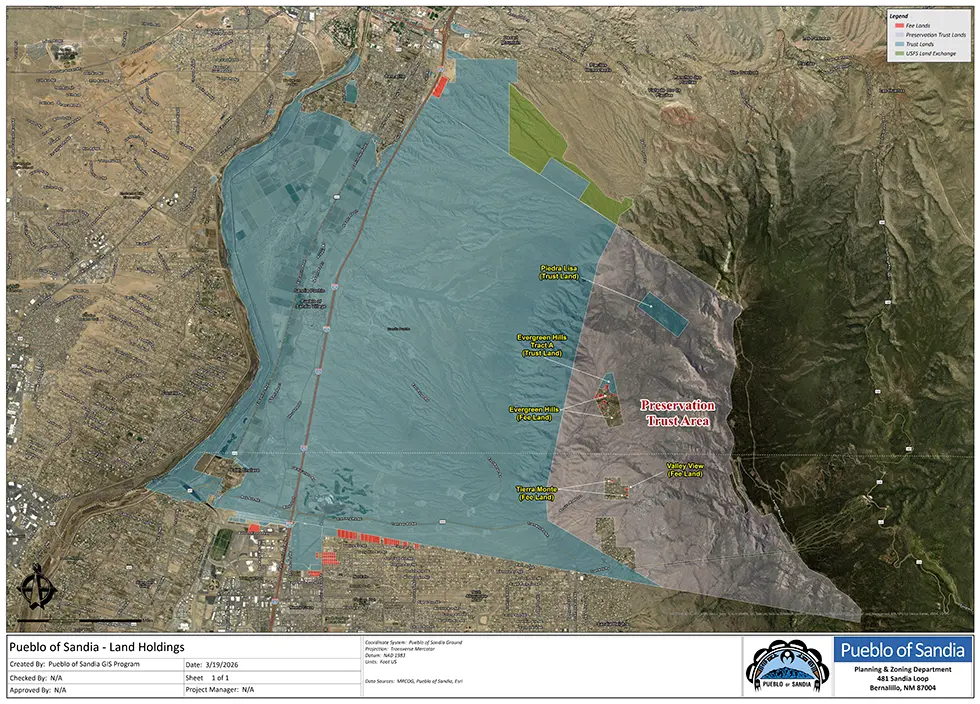
Pat Davis, The Paper. & New Mexico Political Report— A Sandia Pueblo plan to claim control over about 10,000 acres of national forest, wilderness and public recreation areas on the western slope of the Sandia Mountains – known as the T’uf Shur Bien Preservation Trust Area – will not be introduced in Congress as written, but U.S. Senator Martin Heinrich will work to bring legislation to share management and protect recreation access he told New Mexico Political Report and The Paper. on Thursday.
This story was originally published at New Mexico Political Report, a nonprofit news service covering politics and policy in the Land of Enchantment. Learn more and support our work at nmreports.org
A draft of federal legislation to transfer title of the lands was shared with the state’s Congressional delegation earlier this summer as pueblo officials were organizing support from neighboring governments in New Mexico. Sandia Governor Stuart Paisano told Sandoval County Commissioners last month that budget cuts had reduced U.S. Forest Service law enforcement and maintenance in the area and Sandia’s growing police and fire service were better suited for the task. But those public efforts alarmed wilderness advocates and public recreation advocates who begin urgent advocacy efforts to protect public access to the federal lands.
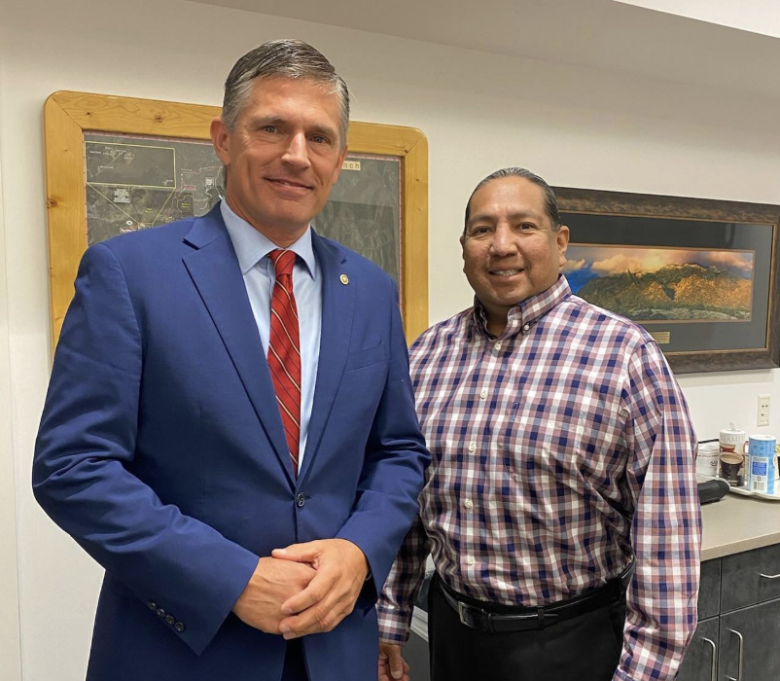
Heinrich, a longtime champion for public lands and active outdoor enthusiast himself, said in an interview Thursday that the original language drafted by Sandia does not have his full support. Instead, he is working towards introducing legislation to share management of the Sandia Mountains wilderness area while preserving public access to popular recreation areas – stopping short of granting exclusive control to Sandia.
“I have had the opportunity to meet with Sandia Pueblo leaders over the years and have seen firsthand the importance of these lands to the Pueblo. The federal government has a responsibility to respect Tribal sovereignty and self-determination and to honor the unique government-to-government relationship between the United States and Tribal Nations. That means listening to Tribal leaders, taking their perspectives seriously, and recognizing that Tribal Nations have a unique history, culture, and relationship to their homelands.
“At the same time, I believe we have a responsibility to carefully consider the best path forward for the Sandia Mountains and the many other New Mexicans who cherish and responsibly use these lands. I strongly support strengthening the Pueblo’s co-stewardship with the U.S. Forest Service. But what I do not support is transferring title away from the Forest Service or eliminating this area’s wilderness protections.
“As discussions continue to evolve, I will keep listening to the Pueblo, all the New Mexicans who cherish these mountains, and everyone who shares the common goal of protecting these treasured lands for future generations.”
U.S. Senator Martin Heinrich, July 30, 2026
In his interview following his statement, Heinrich pointed to shared responsibility in areas like law enforcement but said transferring full control to the pueblo could have unintended consequences later if a different council government were to decide to close the area entirely, which they can do for other tribally-controlled land.
Heinrich did not have a timeline for when legislation would be introduced in Congress, but he stressed that he supported the intent behind the pueblo’s request and shared many of their concerns behind backlogged public lands management by the federal government.