
By Sara Atencio-Gonzales, The Paper. – When Danielle Slupesky talks about death, she does so with a calmness that might surprise people.
As the founder and executive director of the New Mexico Deathcare Network, Slupesky has made it her mission to help New Mexicans navigate one of life’s most difficult experiences, but her journey into end-of-life care began with a life-changing health crisis of her own.
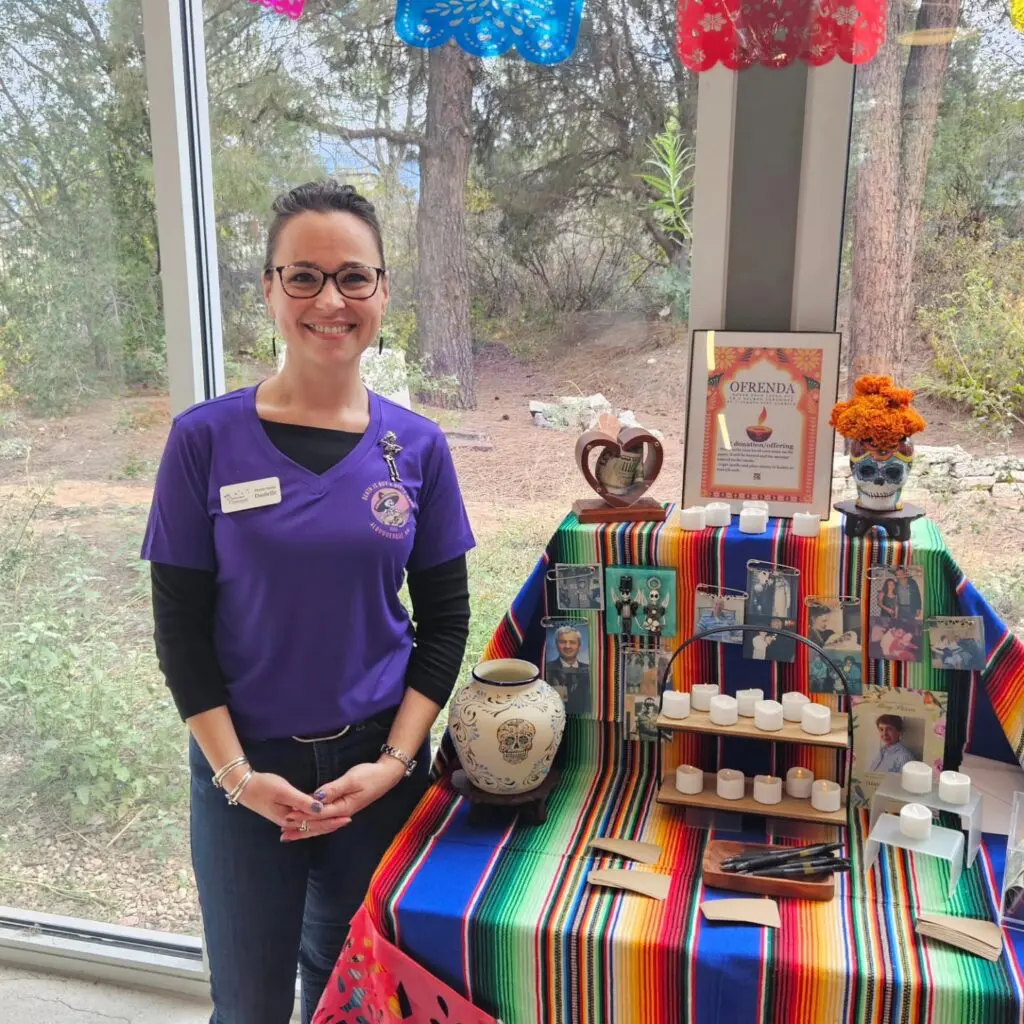
While working as an emergency room and trauma nurse in 2013, Slupesky became critically ill and spent three and a half months hospitalized, much of it in intensive care.
“It was very clear to me that part of the reason I was kind of given the opportunity to come back is to help people understand that death is just one of the things we do, it’s just part of the process of being human,” says Slupesky.
The experience also exposed a reality that many families face. At just 30 years old, she and her husband had not completed advance directives or other end-of-life planning documents, leaving him in the position of making life-and-death decisions during her illness.
Today, Slupesky works as an end-of-life guide, death doula and peer grief companion through her private practice, Conscious Crossroads End of Life Services. In 2023, she founded the New Mexico Deathcare Network, which has since grown from a small gathering of death doulas meeting over Zoom into a nonprofit organization connecting end-of-life professionals across the state.
The network’s mission is to provide access to holistic, non-medical end-of-life support through a statewide community of professionals and volunteers. Its members include death doulas, grief companions, spiritual leaders, funeral celebrants, hospice workers and other practitioners who support people before, during and after death.
For many people, the term “deathcare” may be unfamiliar. Slupesky describes it as the broad range of support surrounding death and dying. “Deathcare to us is the entire circle of everything involved in planning for, going through and grieving after,” says Slupesky.
That support can include conversations about advance directives and treatment preferences, help navigating serious illness, grief support after a loss and connections to resources such as estate planning professionals, spiritual care providers and hospice services.
The organization was created not only to connect professionals but also to address a major barrier to care: cost.
When Slupesky began her private practice, she quickly realized many families could not afford services that are often not covered by insurance. “Death doulas are not reimbursable by insurance, so that means we’re only private pay,” says Slupesky.
Having grown up in a family that frequently struggled financially, she was determined to find a way to make services accessible beyond those who could easily afford them. “I very quickly realized two things, that I couldn’t do this work alone,” says Slupesky. “And two, that it needed to be accessible to people without financial means.”
That commitment led to the creation of the New Mexico Deathcare Network’s Provider Reimbursement Program. Through the program, eligible providers can receive payment from the nonprofit when clients cannot afford services themselves. The goal is to ensure families have access to support while also compensating professionals for their work.
The need is particularly significant in New Mexico, where rural communities often face limited access to healthcare and end-of-life resources. “Not everybody even has access to hospice care,” says Slupesky. “We need to rally around and kind of create new community support systems.”
Slupesky believes communities have an important role to play alongside medical providers. “It takes so much more than just medical teams to help around death and end of life,” says Slupesky.
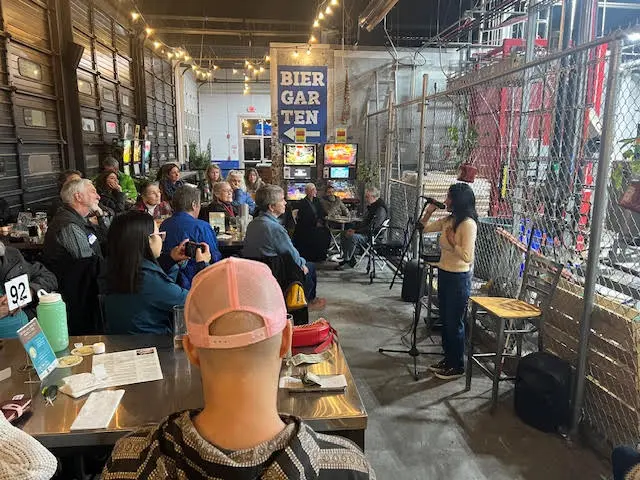
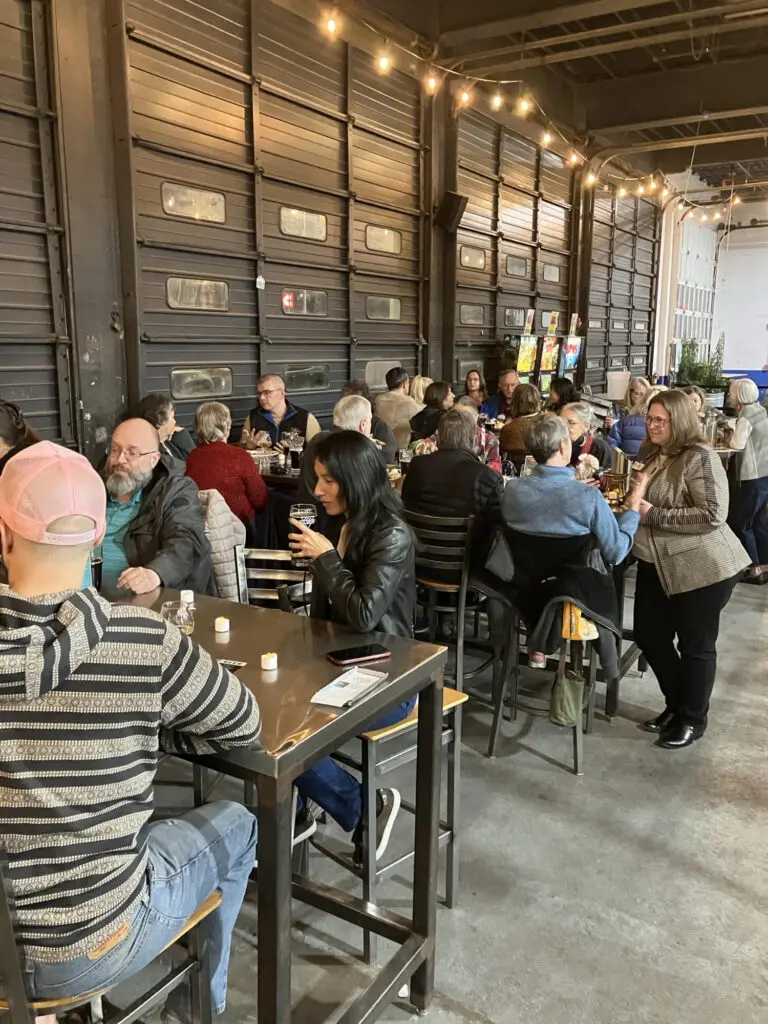
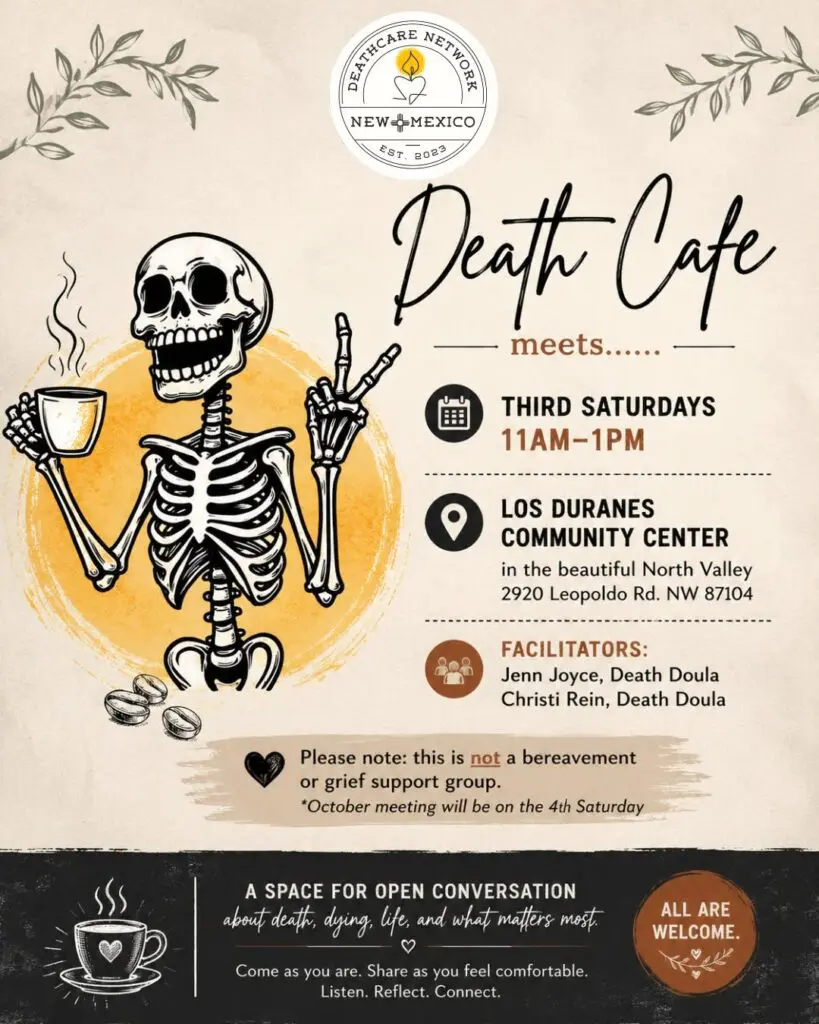
The network also seeks to normalize conversations about death through community events such as Death Cafes, informal gatherings where participants discuss topics related to death, grief and end-of-life planning in a supportive environment. The conversations can range from practical discussions about wills and trusts to broader questions about grief, spirituality and what matters most at the end of life.
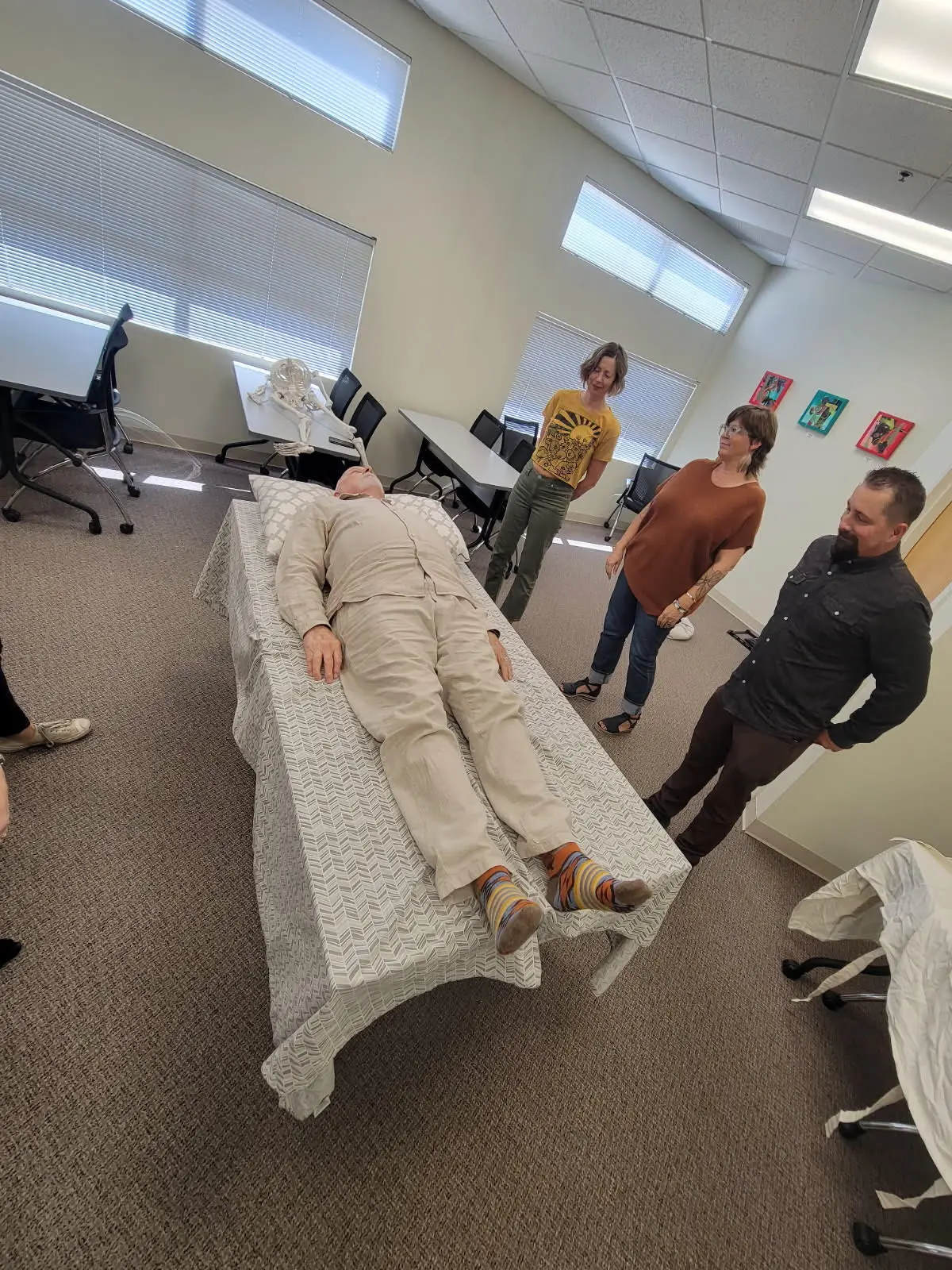
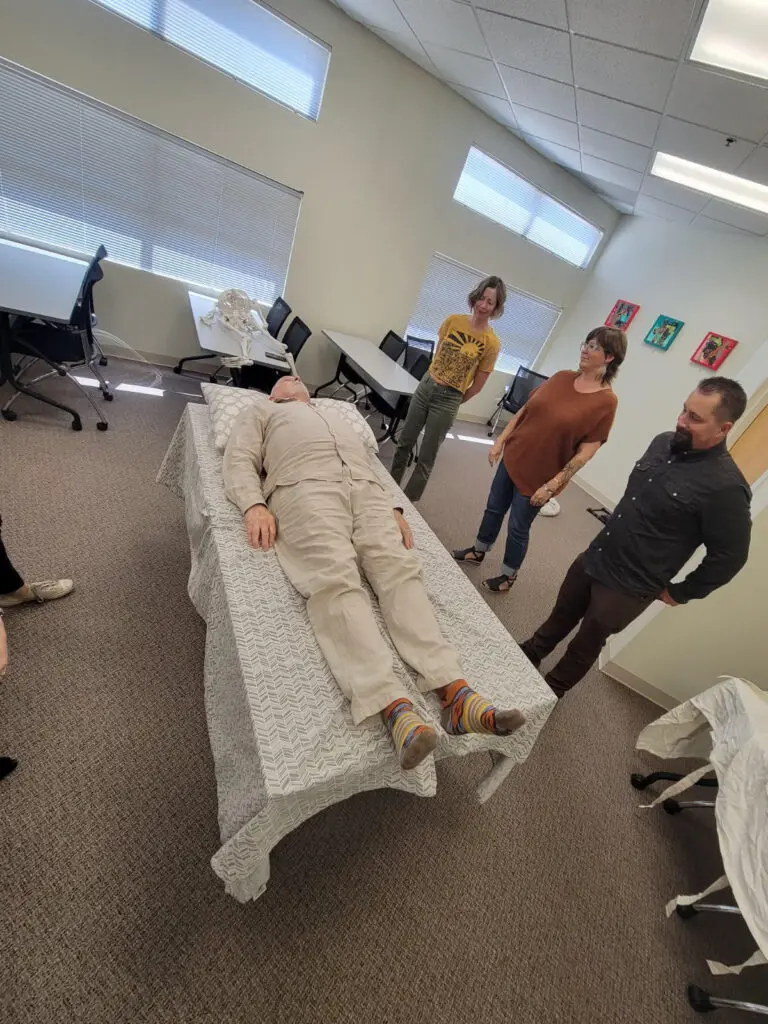
Beyond Death Cafes, the network and its members also host educational workshops and support groups focused on end-of-life care. Recent events have included the Shroud Wrapping Workshop, a hands-on training that taught participants about green burial practices and working with families during the shrouding process, as well as the Grief Alliance Peer Support Group (GAPS), a monthly gathering for grief professionals, clergy, hospice workers, death doulas and others who regularly help people navigate loss.
For Slupesky, encouraging those conversations is central to the organization’s vision that “every human deserves to experience a good death.”
A good death, Slupesky says, looks different for every person. “It’s ‘What does this person want, what works for this family?’,” says Slupesky. “What can we do within the confines of this person’s disease process and their resources and all of that.”
As the organization continues to grow, Slupesky hopes more New Mexicans become aware that support exists. “When I tell people what I do or what the network does, inevitably one of the most frequent responses is, ‘Oh, I wish I knew about you when,'” says Slupesky.
Slupesky’s message is simple: no one has to navigate death, dying or grief alone.
“There’s support out there,” says Slupesky. “There are people willing to have these conversations with you, people willing to help facilitate challenging conversations with your family, and to help you walk through this whole journey.”
For more information about the New Mexico Deathcare Network, including its provider directory, financial assistance programs and upcoming community events, visit the New Mexico Deathcare Network website at nmdn.org. Upcoming events include a workshop on Medical Aid in Dying for death doulas on July 9, a community Death Cafe on July 18 at Los Duranes Community Center in Albuquerque and an introductory “So You Want to Be a Death Doula?” workshop on July 25. Additional event details and registration information are available on the organization’s website.