

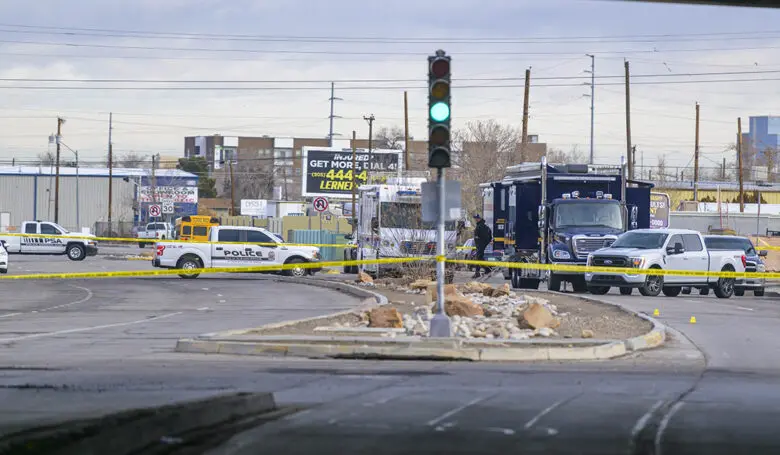

By Jesse Jones, The Paper. — Imagine calling 911 for help during a mental health crisis only to have the encounter end in death. That happened in May when the Albuquerque Police Department (APD) shot and killed a man after his family called for help because he was threatening to harm himself. The shooting was one of three officer-involved shootings between May 24 and May 29, two of them fatal, prompting a city councilor to press police and emergency response leaders for answers about how these calls are handled now that federal APD monitors have left APD to police itself.
During the June 1 City Council meeting, Councilor Nichole Rogers questioned Mayor Tim Keller’s administration about why officials did not dispatch Albuquerque Community Safety (ACS) to a mental health call involving a person reportedly threatening self-harm. APD ultimately responded because the individual had a weapon, but officials are now reviewing the 911 call to determine what was reported and why ACS was not sent. The questions come as the council grapples with a spike in officer-involved shootings and ongoing concerns about which agency should take the lead during mental health crises. “To see we have three in one week, of five days, is absolutely concerning,” Rogers said.
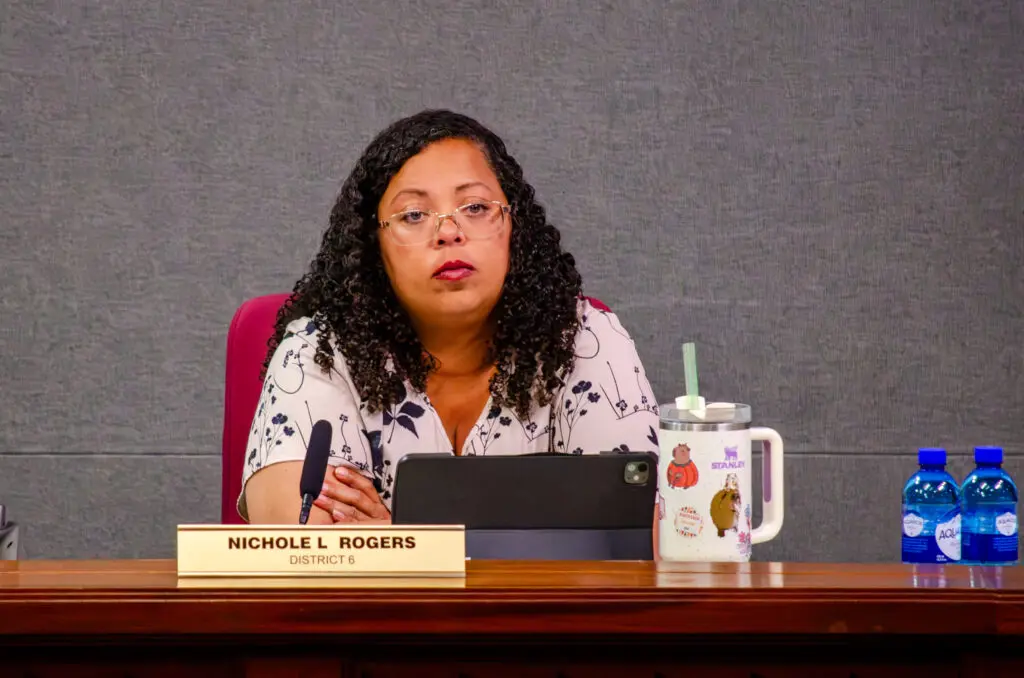
Seeking answers about the response, Rogers asked APD Chief of Staff Aaron Jones, why ACS was not dispatched to a call involving a man threatening self-harm. Jones said APD must complete its administrative and criminal investigations before releasing details. Other city leaders promised a broader review. ACS Director Jodie Esquibel said her team will review the 911 call with emergency communications staff after APD finishes its investigation, while Executive Director of Public Safety Raul Bujanda said his office will examine the entire response, including dispatch. “We’re going to hold people accountable regardless,” Bujanda said. “We want to make sure the community knows we’re doing everything possible to protect them.”
The shootings brought APD’s total officer-involved shootings to six in the first half of 2026, according to city data, and reignited concerns about police use of force. The incidents came just over a year after a federal judge ended APD’s decade-long Court Approved Settlement Agreement (CASA) with the U.S. Department of Justice. City officials cited lower use-of-force rates and the creation of ACS as reasons the CASA could end, but a January City Desk ABQ report found police shootings rose to 15 in 2025. During public comment, Lisa Christopherson reminded councilors that the agreement was meant to address a “culture of aggression” and an “unconstitutional pattern with excessive force.” Frustrated by the recent shootings, she told the council, “Here we are again, 11 years later.”
Rogers noted the city has specific dispatch rules for when APD, ACS or fire crews respond, but ACS does not have dispatchers embedded in the 911 center like Albuquerque Fire Rescue. Councilor Stephanie Telles asked officials to consider whether chronic understaffing, limited wellness support and 16-hour shifts for 911 dispatchers contribute to dispatch errors. Bujanda said his office will follow up on those factors.