

Editor’s note: This is the fourth and final article in a series submitted by Village of Corrales Code Enforcement Officer Dennis Edeal on lighting in the village. Previous articles are available at corralescomment.com.
Why This Matters and How to Stay Compliant
We’ve spent three articles talking about lumens and shields, property lines and fixture heights, business signs and holiday lights. All important stuff. But let’s step back for a moment and ask the bigger question:
Why does any of this matter?
Because at the end of the day, Corrales’ lighting rules aren’t really about lighting at all. They’re about who we are as a community and what we want to protect for the generations that come after us.
What We’re Really Protecting
Every compliant light fixture in Corrales is a small act of preservation. But what exactly are we preserving?
Our Dark Skies (Obviously)
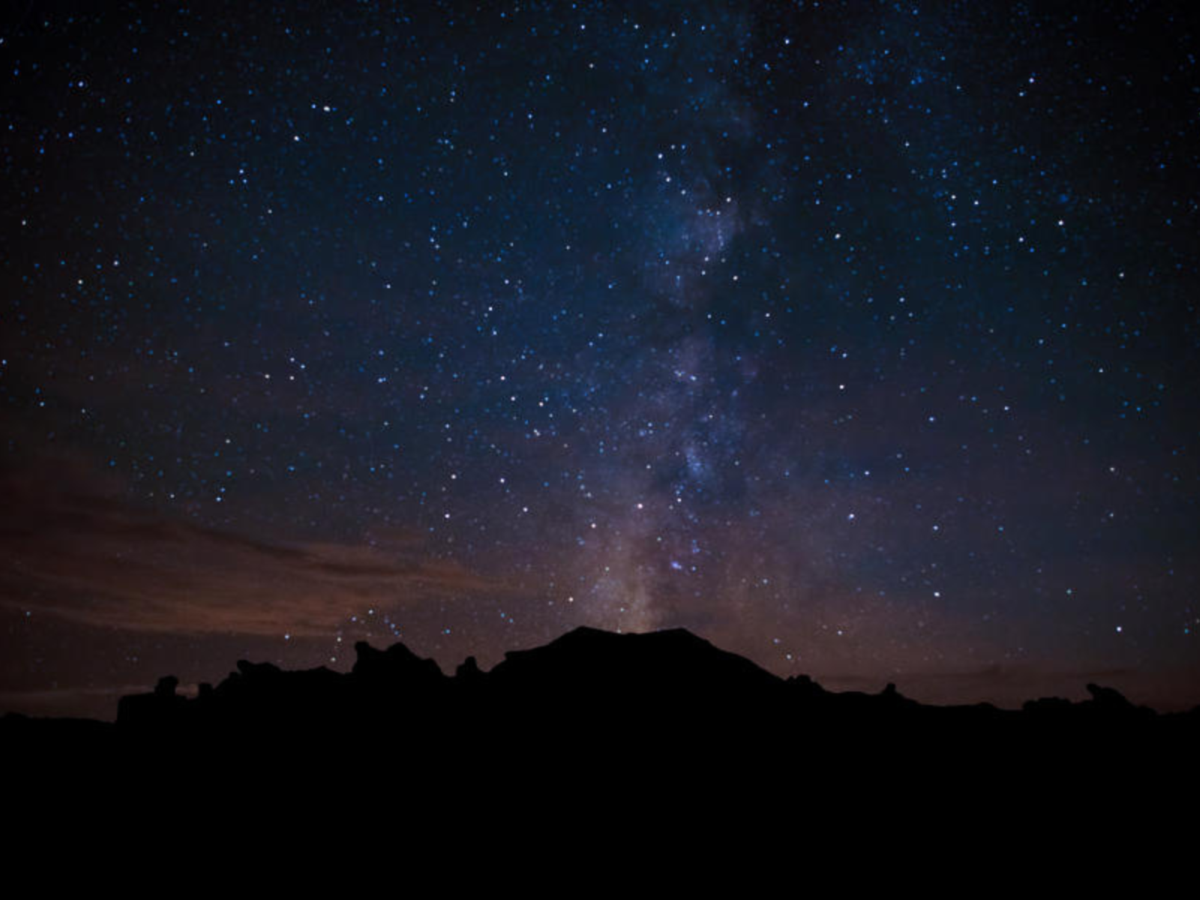
Let’s start with the obvious one: those stars. In most of America, you can’t see the Milky Way anymore. Light pollution from cities and suburbs washes out all but the brightest stars. The night sky that inspired countless generations of artists, poets, navigators, and dreamers? Gone, replaced by an orange glow.
But not here. Not yet.
On a clear night in Corrales, you can still see what your great-grandparents saw. That band of light stretching across the sky. The Andromeda galaxy with your naked eye. The Big Dipper so bright it looks like you could reach up and touch it. Meteor showers that actually take your breath away.
That’s worth protecting.
Wildlife That Depends on Darkness
Here’s something most people don’t think about: Animals evolved with natural day-night cycles. Artificial light at night confuses, disrupts, and sometimes kills them.
Birds use stars for navigation during migration. Bright lights disorient them, causing collisions and exhaustion. Corrales sits along the Rio Grande flyway—we’re hosting tired travelers who need real darkness to rest and reorient.
Bats (yes, those wonderful mosquito-eating machines) avoid artificially lit areas, which means more mosquitoes for us and less food for the bats.
Insects are drawn to lights and either exhaust themselves circling fixtures or become easy prey. This disrupts the entire food chain—fewer insects mean fewer birds, less pollination, and weakened ecosystems.
Even nocturnal mammals like coyotes, foxes, and raccoons change their behavior around artificial light, which can affect everything from their hunting patterns to their reproduction.
When we shield our lights and point them down, we’re not just being nice to our neighbors—we’re being good stewards of the wildlife that shares this place with us.
Human Health and Well-Being
Science is increasingly clear: Excessive artificial light at night isn’t great for humans either.
Our circadian rhythms (internal body clocks) evolved over millions of years to respond to natural light-dark cycles. Bright light at night—especially blue-toned “cool white” light—suppresses melatonin production and disrupts sleep patterns. Poor sleep is linked to everything from obesity to depression to increased cancer risk.
Glare and eye strain from poorly aimed lights cause discomfort and can even be dangerous when driving.
Mental health benefits from connection to natural cycles and genuine darkness. There’s growing evidence that our 24/7 illuminated world contributes to anxiety, stress, and disconnection from nature.
When we use warm-toned, properly shielded lighting that turns off when we don’t need it, we’re creating healthier living environments for everyone.
Energy and Resources
Here’s the practical side: Light that goes up into the sky or onto your neighbor’s property isn’t lighting anything useful. It’s just wasted electricity.
Nationwide, outdoor lighting accounts for a staggering amount of energy consumption—and a significant chunk of it is wasted light going where it’s not needed or wanted. Proper shielding and aiming means:
- Lower electricity bills for everyone
- Reduced demand on the power grid
- Smaller carbon footprint
- Less resource extraction and environmental impact
Being compliant isn’t just good citizenship—it’s good economics and good environmental stewardship.
Our Rural Soul
But maybe most importantly, we’re protecting something harder to quantify: the character of Corrales.
This place isn’t just another Albuquerque suburb. We’re a village. We have acequias and farms. Horses in yards. Roosters crowing at dawn. Cottonwoods that have seen centuries pass. A connection to the land and to our history that’s increasingly rare in modern America.
Bright, garish lighting doesn’t just wash out the stars—it washes out that rural character. It makes Corrales look and feel like everywhere else. And if we lose what makes us special, what’s the point?
Every time you shield a light or choose a warm, low-lumen fixture, you’re voting for Corrales to stay Corrales. That matters.
Your Personal Compliance Toolkit
Alright, enough philosophy. Let’s get practical. Here’s your comprehensive guide to making sure your lighting is compliant and staying that way.
The DIY Lighting Audit
Grab a flashlight (ironically) and a notepad. It’s time to audit your property.
Step 1: Inventory (Do This in Daylight) Walk around and list every exterior light fixture:
- Location (front door, driveway, backyard, etc.)
- Type (wall-mounted, post light, spotlight, etc.)
- Current bulb type and lumens (check the bulb or package)
- Shielding status (covered on top, or exposed bulb?)
- Height from ground
Step 2: Night Observation After dark, turn on all exterior lights and:
- Stand at each property boundary and look back at your house
- Walk the neighborhood and see your property from the street
- Ask yourself the key questions:
- Can I see actual bulbs from off my property?
- Is light spilling beyond my boundaries?
- Is any light going upward?
- Is there glare that bothers me—or would bother neighbors?
Step 3: Document Issues For each problematic fixture, note:
- What’s wrong (unshielded, aimed wrong, too bright, too high, etc.)
- Severity (major problem vs. minor adjustment)
- Possible fixes (shield it, replace it, reposition it, remove it)
Step 4: Prioritize You don’t have to fix everything at once. Start with:
- Fixtures causing the most light trespass onto neighbors
- Brightest/most problematic unshielded fixtures
- Easy wins (adding a hood vs. replacing entire fixture)
- Everything else as time and budget allow
Understanding Lumens vs. Watts (The New Math)
We all grew up with watts: 60-watt bulb for a lamp, 100-watt for the garage. But lumens are what actually matter—they measure the light output, not the energy consumed.
Quick Reference Guide:
- 150-300 lumens: Perfect for pathway lights, subtle accent lighting
- 400-500 lumens: Good for spotlighting landscape features, illuminating doorways
- 800-1,000 lumens: Suitable for broader area lighting like driveways (but needs excellent shielding)
- 1,500+ lumens: Probably overkill for residential use; commercial/municipal applications
LED efficiency means: A 10-watt LED can produce 800 lumens—what used to take a 60-watt incandescent. So “watt” no longer tells you how bright something is.
When shopping: The lumen rating is required on all bulb packaging. Look for it, and stay under 500 lumens for landscape spotlights.
When to DIY vs. Call in the Pros
You can probably DIY:
- Adding hoods or shields to existing fixtures
- Replacing bulbs with lower-lumen options
- Installing simple path lights or wall-mounted fixtures
- Adjusting aim and direction of existing spotlights
- Installing timers or motion sensors
Consider calling a professional for:
- Complete lighting system redesign
- Hardwired fixture replacement if you’re not comfortable with electrical work
- Business lighting (where codes and liability matter more)
- Situations where you’re unsure about compliance
- When you want design help creating a cohesive look
Finding help: Ask neighbors for recommendations, check with local hardware stores for referrals, or search for lighting designers familiar with dark sky compliance.
Staying Informed and Involved
Compliance isn’t a one-time thing—it’s an ongoing relationship with your property and community.
Keep Learning
Village Resources:
- Sign up for the Village newsletter (includes updates on ordinances and programs)
- Attend Village Council meetings when lighting topics are discussed
- Check the Village website periodically for updated guidance
- Follow Village social media for tips and reminders
The Full Ordinance: Don’t just rely on these articles! Read the actual ordinance (Chapter 18, Article II, Section 18-42) at least once. It’s more readable than you might think, and knowing the exact language helps you make informed decisions.
Dark Sky Movement: The International Dark-Sky Association (darksky.org) has excellent resources:
- Fixture-finding guides
- Technical information about light pollution
- Examples of compliant lighting in action
- Updates on dark sky science and policy
Community Engagement
Share what you learn: When your neighbor asks about your new landscape lighting, tell them about the 500-lumen rule and where you found great fixtures. Word of mouth is powerful.
Lead by example: Your compliant, beautiful lighting will make neighbors curious. Let your property be the demonstration model.
Participate in community forums: Whether it’s online groups, or neighborhood gatherings, conversations about protecting Corrales’ character matter.
Submit success stories: Got a great before-and-after? Share it with the Village—they love highlighting residents who’ve made thoughtful improvements.
The Ongoing Maintenance Mindset
When bulbs burn out: Replace with compliant options (lumens, color temperature, shielding).
When fixtures fail: This is your opportunity to upgrade to something better and compliant, rather than just replacing like-for-like.
Seasonal checks: Twice a year (spring and fall), do a quick walk-around at night. Things shift, bulbs get brighter, plants grow and change lighting patterns.
New projects: Thinking about adding a feature that needs lighting? Design compliance in from the start—it’s easier than retrofitting later.
The Invitation: Be Part of Our Legacy
So here we are at the end of our series. We’ve talked about rules and lumens, fixtures and fines, businesses and backyards. But let me leave you with this:
Every single compliant light fixture in Corrales is a small act of hope.
Hope that this place will stay special. Hope that our kids and grandkids will look up and see the Milky Way. Hope that we can have modern convenience without sacrificing what makes us human—our connection to natural darkness, to wildlife, to the land, and to each other.
You’re not just following rules. You’re participating in something bigger: a community that decided bright and garish wasn’t for us. A village that chose stars over spotlights. A place where your neighbor’s sleep matters as much as your security lighting.
That’s worth being proud of.
So tonight, after you’ve read this, go outside. Look up. Let your eyes adjust to the darkness for a few minutes. See those stars? That’s what we’re fighting for.
And then look at your lights. Are they doing their job—lighting your property safely and beautifully—without stealing the stars from everyone else?
If not, now you know how to fix it. And if so? Thank you. You’re already part of the solution.
Your Action Plan: Next Steps
Don’t let this be just another thing you read and forget. Here’s what to do:
This week:
- Do the nighttime property walk and audit
- Identify your top 2-3 lighting issues
- Make a list of what you need (shields, replacement fixtures, new bulbs)
This month:
- Fix the easiest problems first
- Research products for bigger fixes
- Talk to neighbors about what they’ve done
This season:
- Complete your major lighting improvements
- Share your success (and challenges) with the community
- Inspire someone else to take a look at their lighting
Ongoing:
- Maintain compliant lighting as fixtures age and fail
- Stay informed about Village updates
- Be the neighbor who sets the standard
Final Thoughts
Good lighting isn’t about darkness. It’s about using light thoughtfully, intentionally, and respectfully.
It’s about recognizing that your property is part of a larger whole—a community, an ecosystem, a place with history and character worth preserving.
It’s about making small choices that add up to something beautiful: A village where you can see the stars. Where neighbors care about each other. Where modern life and rural character coexist beautifully.
Welcome to Corrales. Welcome to a place that still values darkness.
Let’s keep it that way—together.
Resources:
Village of Corrales:
- Code Enforcement Officer: Dennis Edeal dedeal@corrales-nm.org
- Full ordinance: Chapter 18, Article II, Section 18-42
- Village website: www.corrales-nm.org