

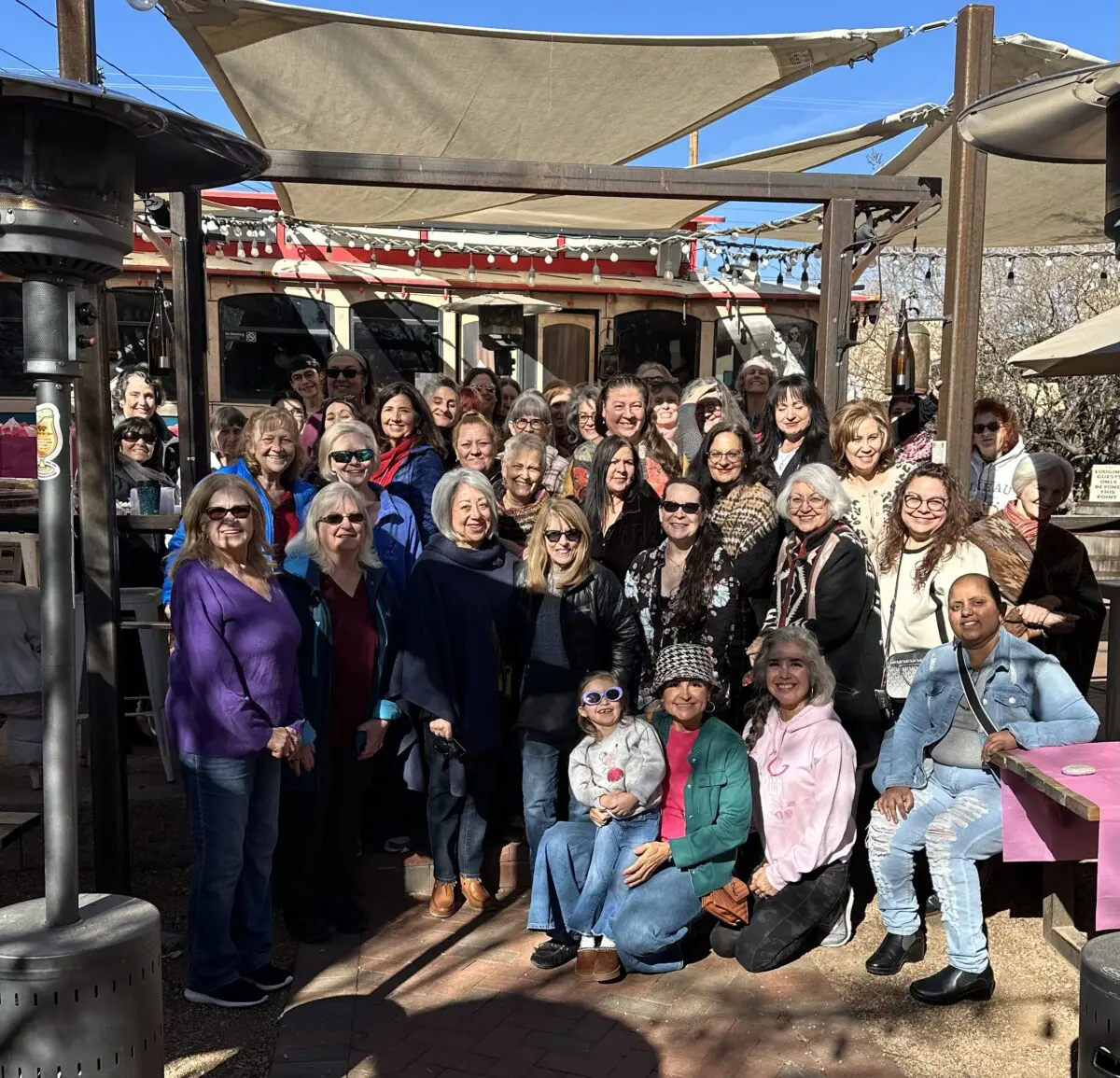
By Sara Atencio-Gonzales, The Paper. – When Allison Hendricks-Smith turned 40, she did what many people are told to do. She scheduled a routine mammogram, with no real concerns at the time.
“I just turned 40. It seemed like the right thing to do,” says Hendricks-Smith.
Within days, the routine appointment became the beginning of a years-long journey through postpartum breast cancer. What followed was an intense and extended course of treatment that included multiple rounds of chemotherapy, surgeries, radiation and years of ongoing therapy.
“It’s a long and kind of arduous journey,” says Hendrick-Smith, noting that her treatment stretched from 2018 to 2025.
During that time, Hendrick-Smith began to notice something missing. While she describes Albuquerque’s medical care as strong, the emotional and social systems were far harder to access.
“I really felt like we had some world-renowned oncological options as far as medical care,” says Hendricks-Smith. “But I do feel that we were woefully underserved in what I would call meaningful breast cancer-specific supports.”
Hendricks-Smith struggled to find support groups, connect with others her age and even locate practical resources. At 40, she was balancing treatment while raising a young child and leading a nonprofit.
“I was working full time, running another nonprofit, raising a 2year-old. I had a lot of plates in the air, and I just couldn’t find those things at the time,” says Hendricks-Smith.
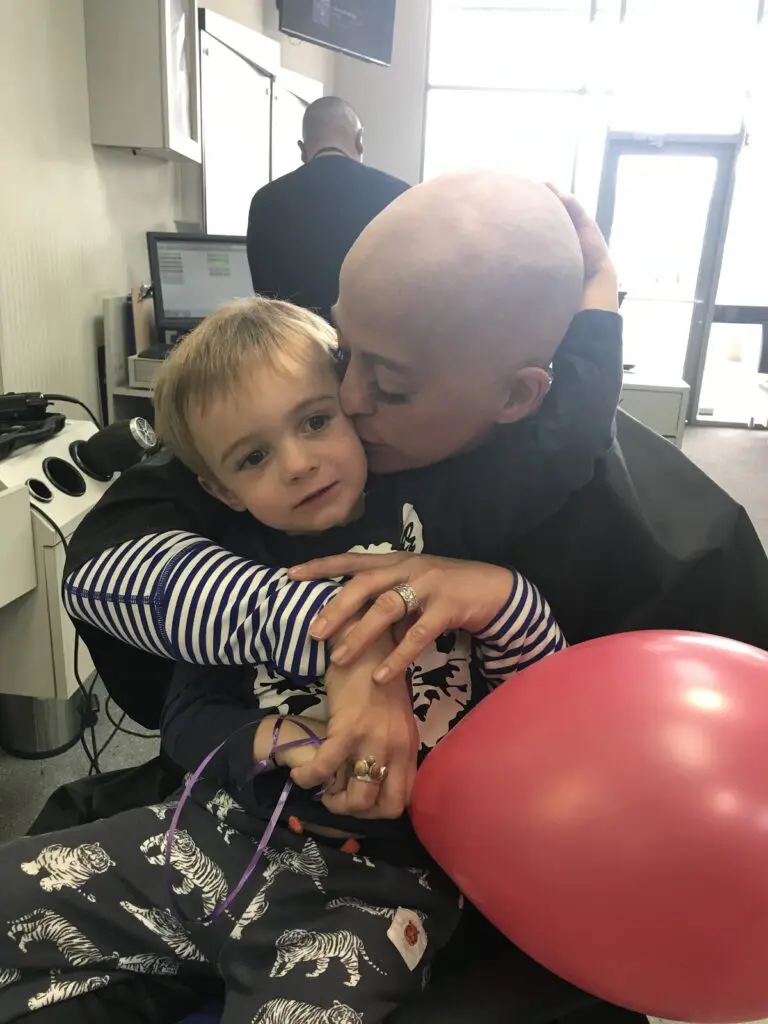
The idea for Pink Warrior House began to take shape in a notebook Hendricks-Smith carried with her to chemotherapy sessions. The idea would eventually become a nonprofit dedicated to filling the gaps she experienced firsthand.
Founded in 2019, the Pink Warrior House Foundation now supports people navigating breast cancer and their caregivers through a wide range of services – from support groups and mentorship to wellness programming and community partnerships.
Over the past seven years, the organization has supported more than 1,000 people across New Mexico.
But for Hendricks-Smith, the impact is not measured in numbers alone. It is found in the connections built between people facing similar experiences.
“The magic of the Warrior House is the way our women show up for each other each and every day, how they lift and hold one another,” says Hendricks-Smith. “That is truly where the magic happens.”
That sense of community extends to the space itself. Pink Warrior House operates out of a casita designed to feel more like a home than a clinic, offering comfort to those who may associate medical settings with trauma.
“There’s no way to get around the fact that cancer is a trauma,” says Hendricks-Smith. “Sometimes it can be a little bit traumatizing to go back into that space where you received your chemo or your radiation.”
Since its founding, the organization has grown organically, often shaped by the people it serves. Many participants later return to offer their own skills, creating new programs and expanding the community.
“It’s really grown organically,” says Hendricks-Smith. “The growth comes out of warriors coming through our program, being impacted by it, and then asking what they can bring back.”
Looking ahead, Hendricks-Smith hopes to continue growing the organization in ways that meet people wherever they are in their journey. “It is truly an honor and privilege to get to do this work,” says Hendricks-Smith.People interested in supporting the Pink Warrior House Foundation can make a one-time or monthly donation through their website (pinkwarriorhouse.org). The organization also accepts in-kind donations for its Warrior Bags, including items like journals, skincare products and comfort items, and welcomes community partnerships and volunteers.