

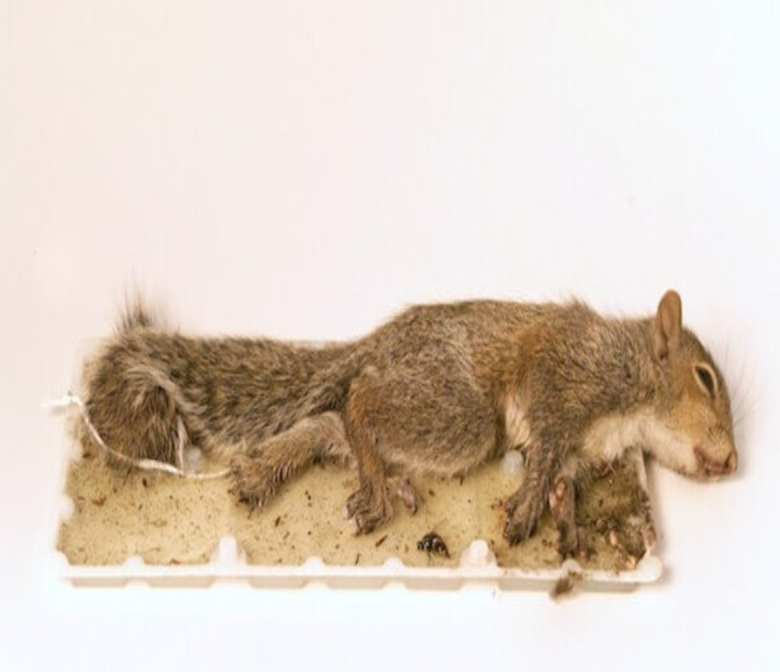
By Jesse Jones, The Paper. — For Burqueños with mice or rats, a familiar pest-control option will soon be off the table. A new Albuquerque ordinance bans selling or using rodent and vertebrate glue traps, requiring alternatives like snap or live-catch traps. However, sticky traps for roaches, ants, spiders and other insects remain legal for private use, though restricted at city facilities.
The Albuquerque City Council unanimously approved Ordinance O-26-62 on Monday night, making it the largest U.S. city with such a ban, according to city officials. Sponsored by Councilors Tammy Fiebelkorn and Stephanie Telles, the measure amends the Humane and Ethical Animal Rules and Treatment ordinance to prohibit selling, giving away or using rodent and vertebrate glue traps anywhere in the city, including indoors. City facility restrictions on insect glue boards exempt food establishments, housing facilities like overnight shelters, scientific research and public health monitoring. Councilors also rejected two narrowing amendments 3-6: one allowing indoor glue trap use, and another letting wholesalers sell or transfer traps outside Albuquerque.

Supporters outnumbered opponents roughly 3-1 during public comment, arguing glue traps pose health risks and harm wildlife. Local epidemiologist Dr. Nathan Nielsen noted the Centers for Disease Control and Prevention and New Mexico Department of Health warn against the traps because struggling rodents can spread infectious material. Michelle Kernen of Wildlife Rescue Inc. of New Mexico described a bird that suffered fatal broken bones when a mother and her daughters tried to free it from a glue board. Fiebelkorn also showed photos of trapped bats, songbirds and hummingbirds. Opponents defended the traps as pest-control tools. Earl Reed of the New Mexico Pest Management Association said they help monitor pests and capture rodents indoors. Michael Swanson, a Preventive Pest Control entomologist, warned the wording could confuse businesses using insect boards to monitor pests and reduce pesticide use, urging education over enforcement.
Fiebelkorn said the ban aims to prevent animal suffering. She told The Paper.’s City Desk that rescuers can spend hours freeing animals, recalling a Cooper’s hawk that died of shock after several baths to remove the glue. Her council presentation cited 2014–2024 data showing wildlife rehab hospitals admitted over 180 species after glue-trap encounters — 70% birds, 19% mammals and 11% reptiles and amphibians — with survivors averaging 19.5 days of care before release. It also cited CDC and public health warnings that frightened, trapped rodents can urinate, raising hantavirus exposure risk.
Residents and businesses can still use snap, electronic, bucket and live-catch traps. Environmental health inspectors will check for violations during routine inspections. Property owners who receive a warning can avoid fines by properly disposing of the trap; otherwise, penalties start at $100 for a first violation, rise to $250 if uncorrected and hit $500 for repeat offenses. The city plans to educate stores and pest-control operators so they can clear out rodent and vertebrate traps while continuing to sell insect glue boards. The ordinance now goes to Mayor Tim Keller and takes effect 90 days after publication.