

By Kevin Hendricks, The Paper.
Edgewood police say their network of license plate cameras exists to catch stolen cars and missing kids, not to watch residents — and Chief Aaron Frost wants the town to know the difference.
In a public letter, Frost said the department’s Flock Safety cameras function as a public safety tool, not a surveillance program, scanning plates around the clock for vehicles tied to warrants, Amber Alerts or stolen-vehicle reports. The system logs make, model, color and plate number but does not use facial recognition, issue traffic tickets or track individual movement, Frost wrote. “Public trust is built on transparency and restraint,” he said, adding that Edgewood PD is still finalizing a formal written use policy.
Frost’s letter describes privacy protections as resting on “proposed Senate Bill 40.” That bill is no longer proposed — it’s law. The Legislature passed the Driver Privacy and Safety Act this session, and Gov. Michelle Lujan Grisham signed it March 4. Sponsored by Senate Majority Leader Peter Wirth, the law bars agencies from sharing plate-reader data with federal immigration authorities or out-of-state investigators pursuing reproductive or gender-affirming health cases, prohibits selling the data commercially, and requires every agency using the technology to file annual audit reports.
Not everyone is convinced cameras like Edgewood’s are as narrow as departments describe. Legal scholars and privacy advocates have warned that weeks of accumulated location data can expose intimate details of a person’s life and raise Fourth Amendment concerns, even when no single search targets an individual. Statewide, the debate over plate-reader technology has played out from Las Cruces to the Legislature, with civil rights and health care groups pushing the new audit and data-sharing limits as a floor, not a ceiling, on oversight.
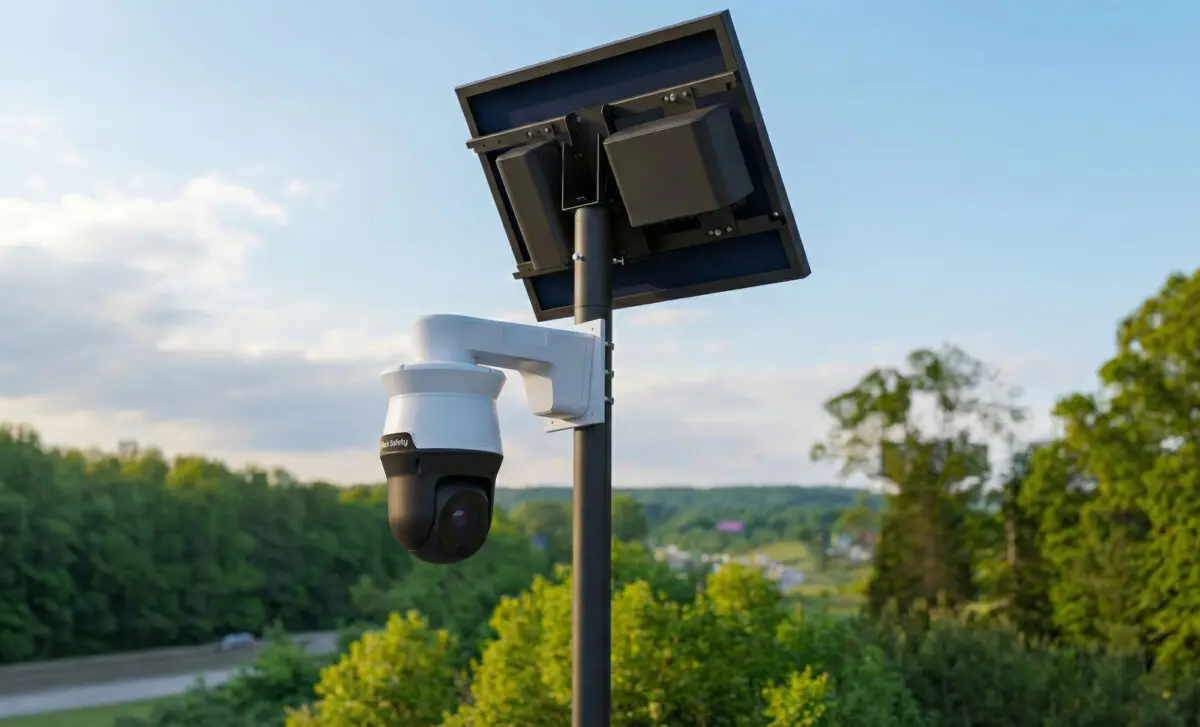
Edgewood’s cameras are solar-powered and mounted on poles rather than patrol cars. Frost said misuse is flagged automatically and routed to him and command staff for review, with all data access logged. He said the department retains footage for a limited period before automatic deletion unless it’s tied to an active case.