

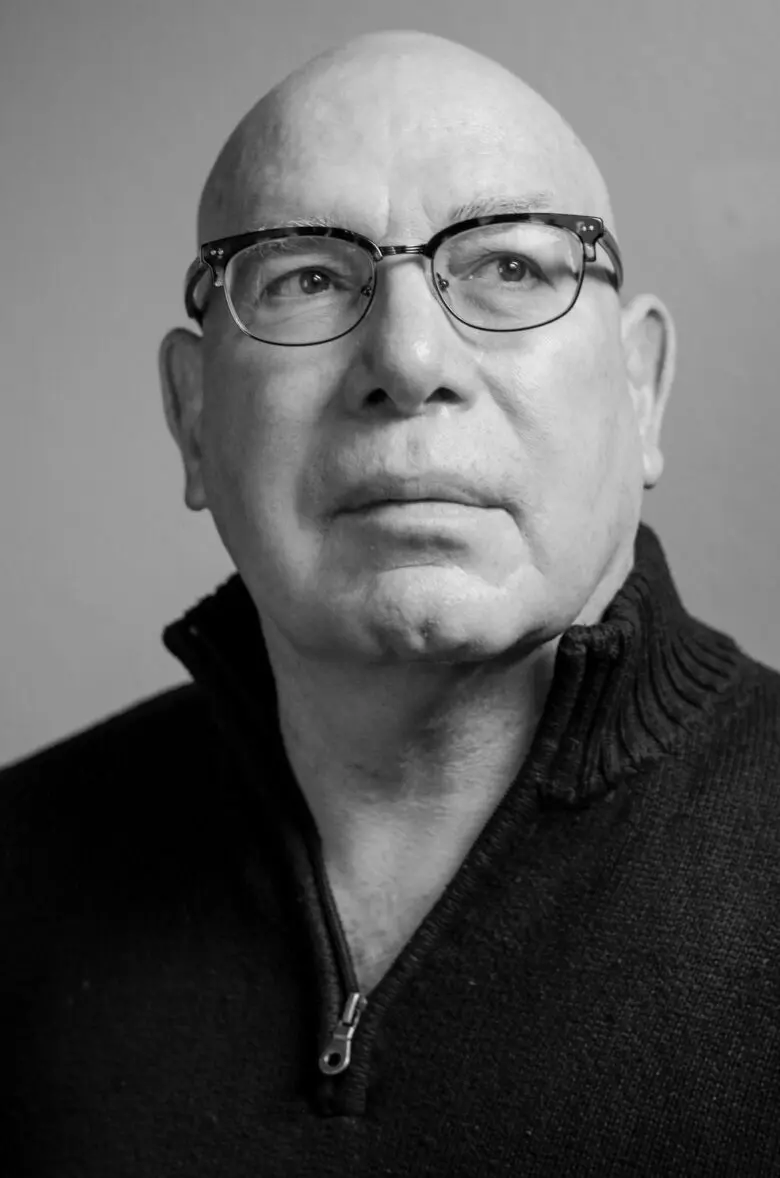
By Sara Atencio-Gonzales, The Paper. – For writer, professor and comedian Eddie Tafoya, getting things wrong might just be part of getting somewhere worthwhile. At TEDxABQ 2026: Reframe, Tafoya will take on a lifetime of mistakes, setbacks and doing things the hard way to make the case that our imperfections might be exactly what the world needs. Drawing from his own failures and his longtime love of comedy, Tafoya explores what can happen when we stop chasing perfection and start seeing the value in falling short. TEDxABQ 2026: Reframe takes place Aug. 29 at the Albuquerque Railyards (777 First St. SW,), with programming running from 11 am to 5 pm. We asked Tafoya about failure, comedy and learning to embrace the long way around.
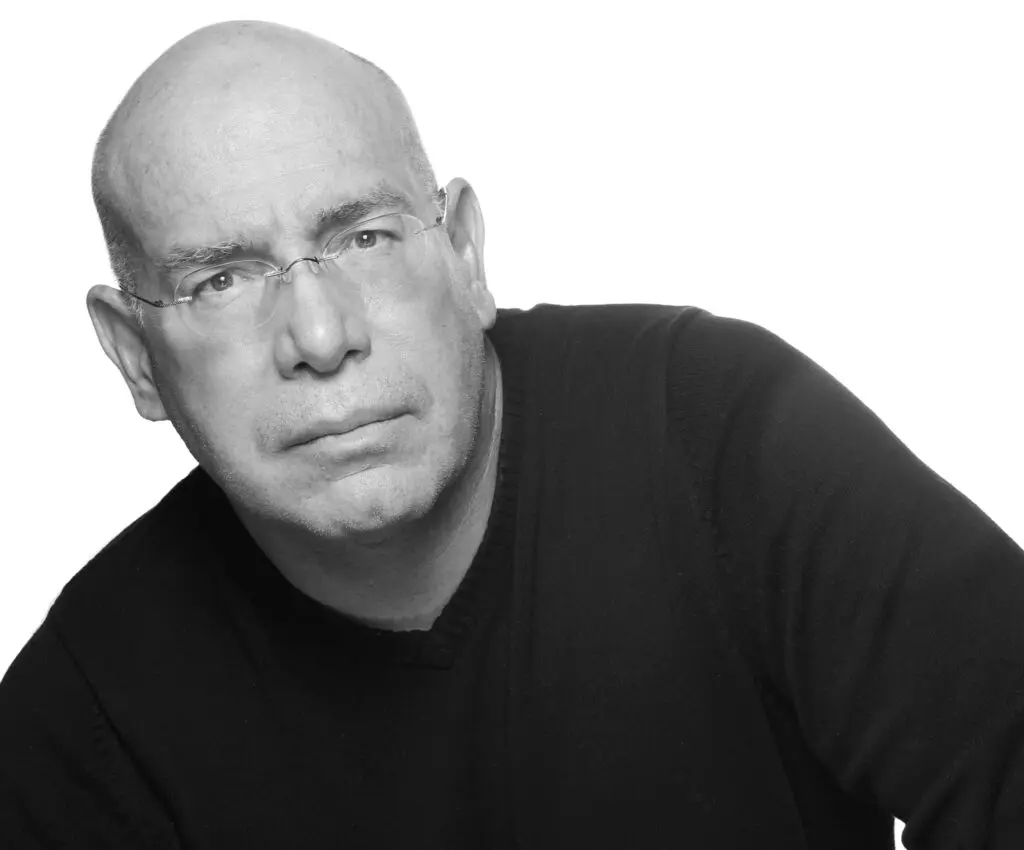
Your TEDxABQ talk argues that our flaws might be exactly what the world needs. Where did that idea come from for you?
From my life, of course. (I mean, where else could it come from?) I feel that my whole life I have been the guy who messes things up—dropped the ball in the big game, said the wrong thing at the wrong time, made the wrong decision that undid years of effort, ended the good relationship for the wrong reason and then regretted it, and lost a lot of money because of my own stupidity. I found comfort in some works of art that appeared to address these kinds of mistakes, perhaps because I was just looking for the silver lining. The avant-garde rock guitarist Frank Zappa once commented that without deviation from the norm, progress is not possible. I remind myself of that daily. Doing things the same way over and over again may provide some security, but it does not really lead to any kind of progress. So every time I fail to follow a recipe correctly, every time I try to fix something in my house and make it worse, every time I mess something up, I think of that. The great composer Leonard Cohen tells us that “There is a crack, a crack in everything / That’s how the light gets in,” which also suggests that there is something magical and necessary about our flaws.
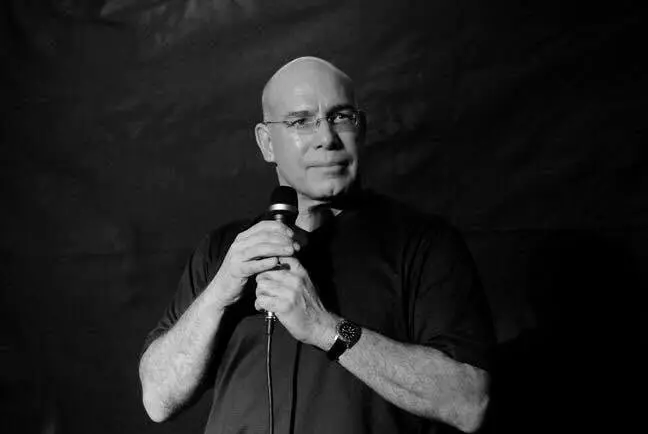
You’ve spent much of your career studying and performing comedy. Has comedy changed the way you think about failure and imperfection?
I love many things about comedy, but one of the most important is that comedy is often about imperfection perhaps even a celebration of imperfection and failure. Take, for instance, Richard Pryor’s conversation with a crack pipe from the 1982 film Richard Pryor Live on the Sunset Strip. That bit, which is one of the most-talked about in the history of stand-up, is about how the comedian was so deep in his cocaine addiction and his cocaine-induced psychosis that the only way he could ask for help is to douse himself in high-proof rum and set himself on fire. That is a colossal failure if there ever was one. And yet, ever the alchemist, Pryor takes that one cry for help/suicide attempt and turns it into some of the best 17 minutes of stand-up ever recorded.
This is an extreme example, of course. A less dramatic example is Rodney Dangerfield, whose catch-phrase is “I don’t get no respect.” It is that great imperfection, his failure to earn, command, or garner respect, that distinguishes him as one of the great comedians.
We see this dynamic playing itself out over and over again in comedy. Steven Wright’s stage persona is essentially a schizophrenic who walks among us and makes wry, deft and ingenious observations. The Marx Brothers, a comedy team from the 1930s, created a new template for American comedy by embracing their outsider status. Before the Marxes, American comedy was about making fun of the oppressed and downtrodden. Blackface minstrel shows were a great example of this. …Then, the Marx Brothers come along and introduce into American comedy caricatures of immigrant pariahs. … All their films are built around these outsiders making fun of the rich and super-privileged.
More often than not, comedy is about characters who explore their flaws and, by doing so, find their superpowers.
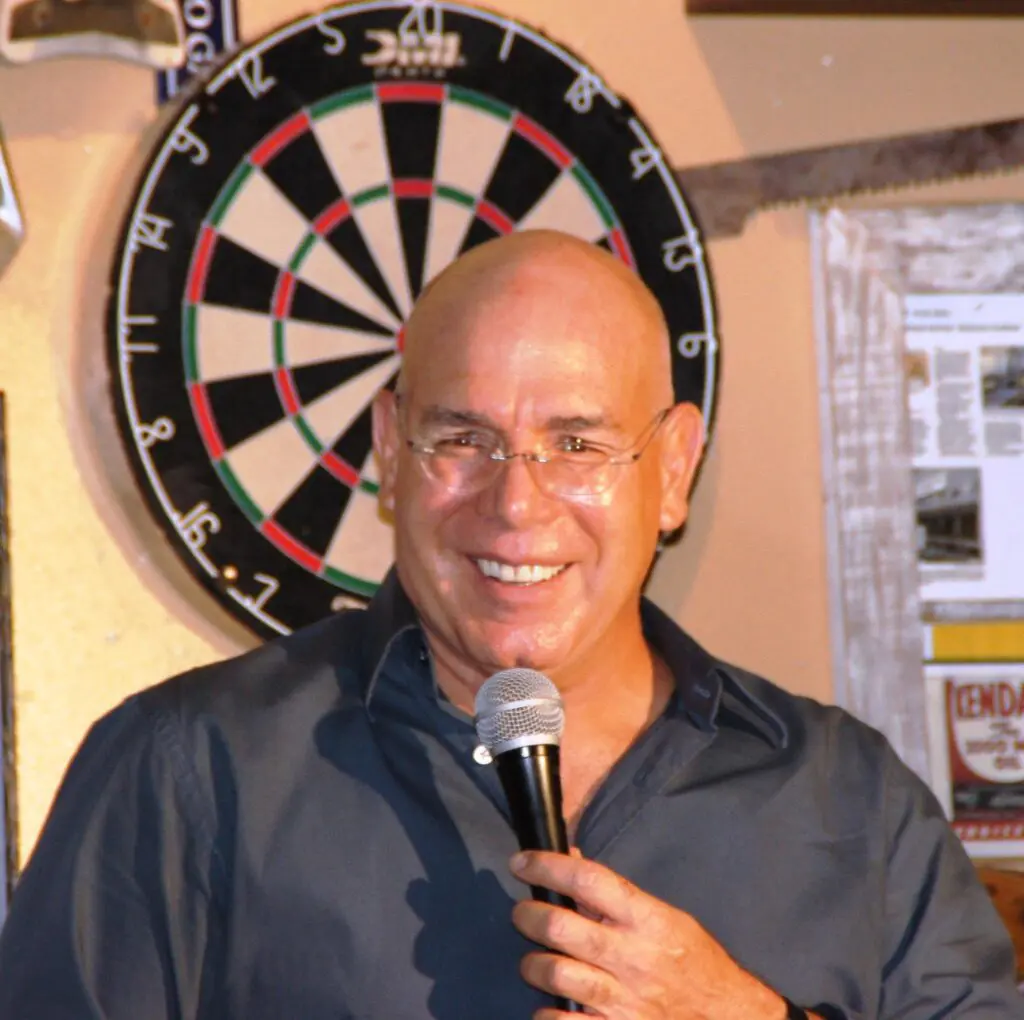
What have your own failures taught you that your successes couldn’t?
My failures have taught me the power of grit. At the risk of sounding like I’m feeling sorry for myself (I am not), I tend to do everything the hard way. I have friends who made it through college in three and a half years, bought their first homes when they were still in their mid-20s, raised lovely families and were happy grandparents by their 40s. Not me. It took me eight years to get my bachelor’s degree, 20 years after high school to get my doctorate, 29 years to publish my first novel (that novel was rejected by 53 publishing houses) and decades to buy the house I wanted — and it’s a modest townhome, nothing extravagant. I had a crush on a cute girl on my high school dance squad. It took me 46 years to get a date with her.
When I first started doing comedy, another comedian told me that you do not fail at comedy, you give up. I think that’s good insight for life in general.
If you go…
TEDxABQ 2026
- Saturday, Aug. 26 from 11 a.m. to 5 p.m.
- Albuquerque Railyards (777 1st St. SW)
- Tickets available at tedxabq.com