
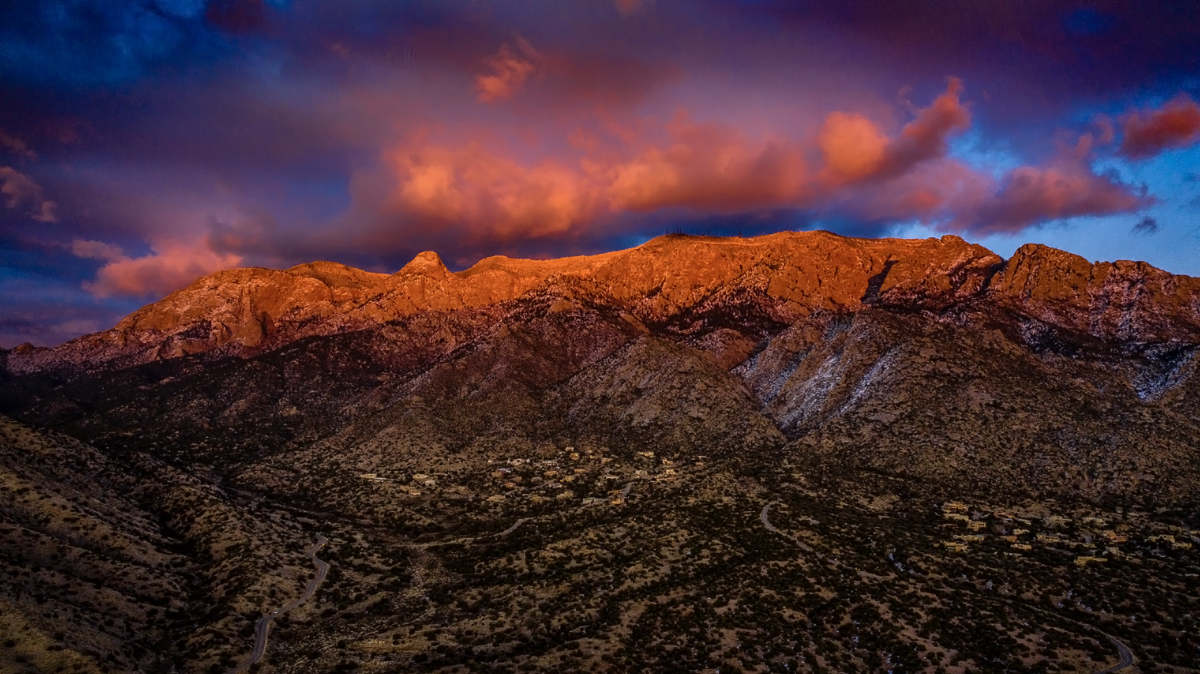
By Jesse Jones, The Paper. — Hikers, climbers and neighbors who use trails on Sandia Mountain’s west face could see their access change under a land transfer proposal the Sandoval County Commission endorsed last month. Now, a newly formed coalition of residents is urging lawmakers to reject the transfer, saying it could end decades of guaranteed public access to the wilderness.
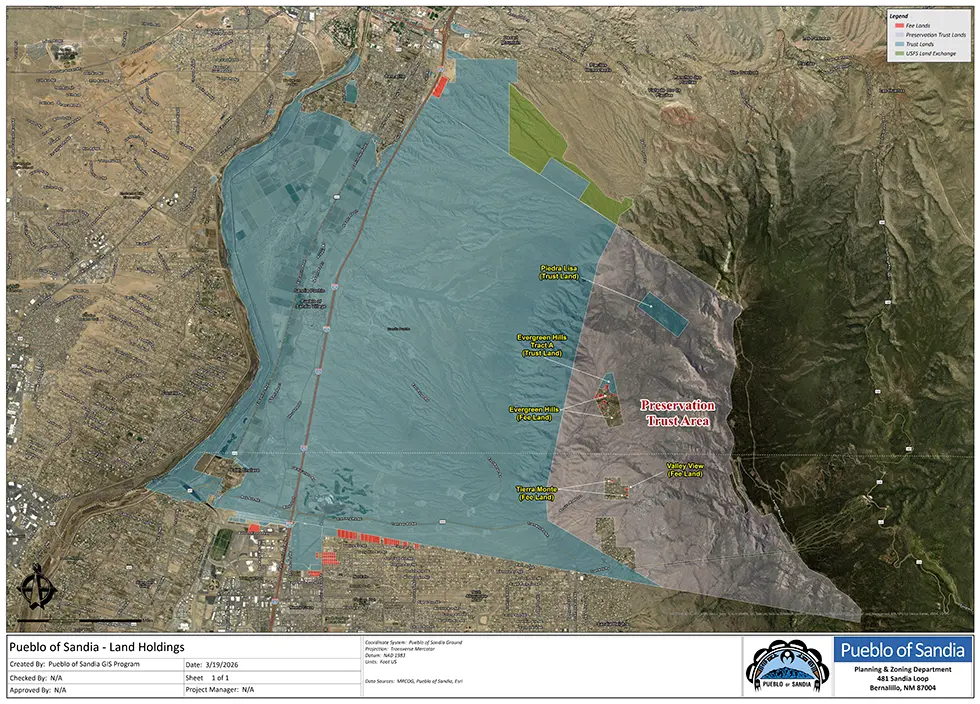
County commissioners voted unanimously June 24 to support transferring management of the 9,890-acre T’uf Shur Bien Preservation Trust Area from the U.S. Forest Service to the Bureau of Indian Affairs, where the land would be held in trust for the Pueblo of Sandia. Sandia Pueblo Gov. Stuart Paisano said Forest Service budget and staffing shortages have contributed to poor trail and road conditions, increased trash and vandalism and growing concerns about overuse. He told commissioners the Cibola National Forest does not have dedicated law enforcement rangers and relies on U.S. Fish and Wildlife Service officers who are assigned to multiple projects. Paisano said the Pueblo has a 26-member state-certified police force and a new fire station equipped for wildland firefighting that would help manage the area.
“You have my council’s commitment that managing the Sandia Mountains, because it is so precious to us will be a top priority, and we will do whatever we can in order to continue to protect it, to preserve it,” Paisano said. He said the Pueblo already manages more than 16,000 acres of forest land in the Carson National Forest area and would continue public access to existing trails, roads and utilities if the transfer moves forward. He also framed the transfer as a way to streamline local coordination, calling it “taking out the middleman” so the Pueblo and county can collaborate directly. “Let us work on the issues and the projects directly,” he said.
Opponents, including several residents, spoke against the transfer during public comment during Wednesday’s Sandoval County Commission meeting, saying it would severely limit public recreation on the mountain. Courtney Bryan, spokesperson for the Coalition to #SaveTheSandiaWilderness, told commissioners that while supporters have described the transfer as a way to reduce crime and protect sacred sites, its impact would go much further. “Should this act actually pass through Congress, it will grant the pueblo full governing authority over the land,” Bryan said. “It will eliminate 99% of public access to the proposed 10,000 acres on the west face of the Sandias.” Bryan told The Paper. The transfer could also disrupt a $2 billion local tourism economy that depends on the mountain as a “big-ticket attraction.” She said the proposed transfer includes the area surrounding the Sandia Peak Tram, and according to Bryan, the mountain draws more than 2 million recreational visitors each year.
Both sides agree the roughly 10,000 acres on the mountain’s west face are important to the region’s outdoor recreation and cultural history. The dispute centers on what protections would remain if the land moves from federal management to tribal trust status and how much access the public would keep. The Pueblo has said it would maintain established trail corridors, while the coalition argued, in a letter the group sent supporters, that a corridor system would limit access to the surrounding wilderness.
The Pueblo is seeking congressional sponsors for the transfer legislation. Paisano told commissioners in June that he is asking Rep. Melanie Stansbury to carry the bill in the House and Sen. Martin Heinrich, who serves on the Senate Energy and Natural Resources Committee, to introduce it in the Senate.
Stansbury told The Paper. the Forest Service “under the current Administration has failed to uphold its responsibilities to co-manage federal lands in the Sandia Mountains.” She said federal staffing cuts and threatened office closures have left the agency unable “to maintain roads and facilities, to prevent vandalism, and to respond to and consult with the Pueblos and affected communities and neighborhood associations.” Stansbury said it is “imperative that the federal government uphold its federal trust responsibilities to our Pueblos” and that communities “work together to collaborate, find common solutions, and protect our sacred and public lands.” Asked whether she would sponsor the transfer legislation, Stansbury’s office did not say yes or no. “It is imperative that the federal government come to the table and uphold its federal trust responsibilities to our Pueblos and that our communities work together to collaborate, find common solutions, and protect our sacred and public lands,” her office said. “That is the current discussion at hand.” Heinrich’s office had not responded to requests for comment.
Share this story and start a conversation