


“It’s the economy stupid.” That was the catchphrase coined by Bill Clinton strategist James Carville during their successful 1992 run for President. At the time the country was just coming out of a recession with modest economic growth.
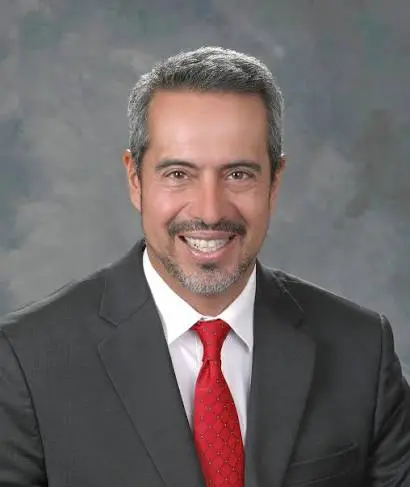
State Senator Antonio “Moe” Maestas represents District 26 covering portions of the Westside of Albuquerque in the State Legislature. He previously served in the State House.
In New Mexico, that phrase could not be more on point. We were the last state to come out of the great recession and when we did, the pandemic hit. Now, state coffers are flush with cash and have an opportunity to do big things to boost our economy.
New Mexico’s economic landscape demands urgent attention. While economists, including those at the Federal Reserve, highlight that a 3% economic growth rate is both aspirational and achievable, our state’s recent performance tells a different story. In 2022, New Mexico’s real GDP grew by 2.4%, followed by 2.2% in 2024, and a disappointing 1.5% in 2025.
If our economy grew 3% each year for 10 consecutive years, our state’s economy would be 1/3rd larger than it is today and our state government would have a tax base that would more than cover all of the programs we’ve recently implemented. This growth would also eliminate the need for more trust accounts. We have billions of dollars in reserve and the capacity to build out our infrastructure, which would then spur massive private sector growth. But this growth potential would be stunted without the permission to build. That is what we must implement permitting reform now.
Permitting processes significantly influence economic activity. While external variables like supply chain disruptions and public health crises (like Covid-19) are beyond our reach, inefficient permitting laws are not. Achieving and sustaining healthy economic growth requires us to focus on factors within our control. Cities and Counties should actively be mitigating destructive permitting policies in their communities. Leading up to the 2027 session I am going to be looking to collaborate with my colleagues – both democratic and republican – to address permitting obstacles on the state level and look for solutions in order to mitigate harmful permitting policies hindering community progress.
It’s especially important when you consider housing, a sector where permitting delays directly inflate costs and restrict supply. Streamlined permitting can accelerate housing projects, meeting the increasing demand, stabilizing prices, and fostering job creation. This proactive approach benefits not only homebuyers but also the broader economy through increased construction activity and related services.
On the federal level, permitting reform is gaining momentum. The FAST Act initially targeted streamlining bureaucratic paperwork tied to planning and permitting. Building on this, U.S. Senator Martin Heinrich (D-NM) championed the FASTER Act to expedite permits for transmission and electricity projects. Now, the SPEED Act is set to prevent arbitrary federal agency actions that could undermine existing permits and to reduce frivolous litigation that stalls economic development.
Negotiations for the bipartisan SPEED Act involve Senate Energy Committee members from both parties, their staff, and the National Energy Dominance Council (NEDC). It is crucial that New Mexico’s Congressional delegation, with the leadership of Senator Heinrich, continue advocating for reforms that unlock our state’s vast potential.
New Mexico’s abundant thermal, solar, and wind resources present significant opportunities for significant sustainable development. As the state advances its renewable energy projects, it remains important to acknowledge the diverse range of industries, including oil and gas that contribute to funding essential services like education, from Pre-K to college, and as well as important infrastructure modernization. Recognizing the role of these varied sectors supports diversified economic growth and resilience.
The success of the SPEED Act and related state legislative reforms will catalyze local job creation, foster economic stability, and put New Mexico on a clear path toward sustained 3% annual growth. It’s time to take decisive action, streamline permitting processes, and maximize the economic potential of New Mexico.