
By Rodd Cayton, The Paper.
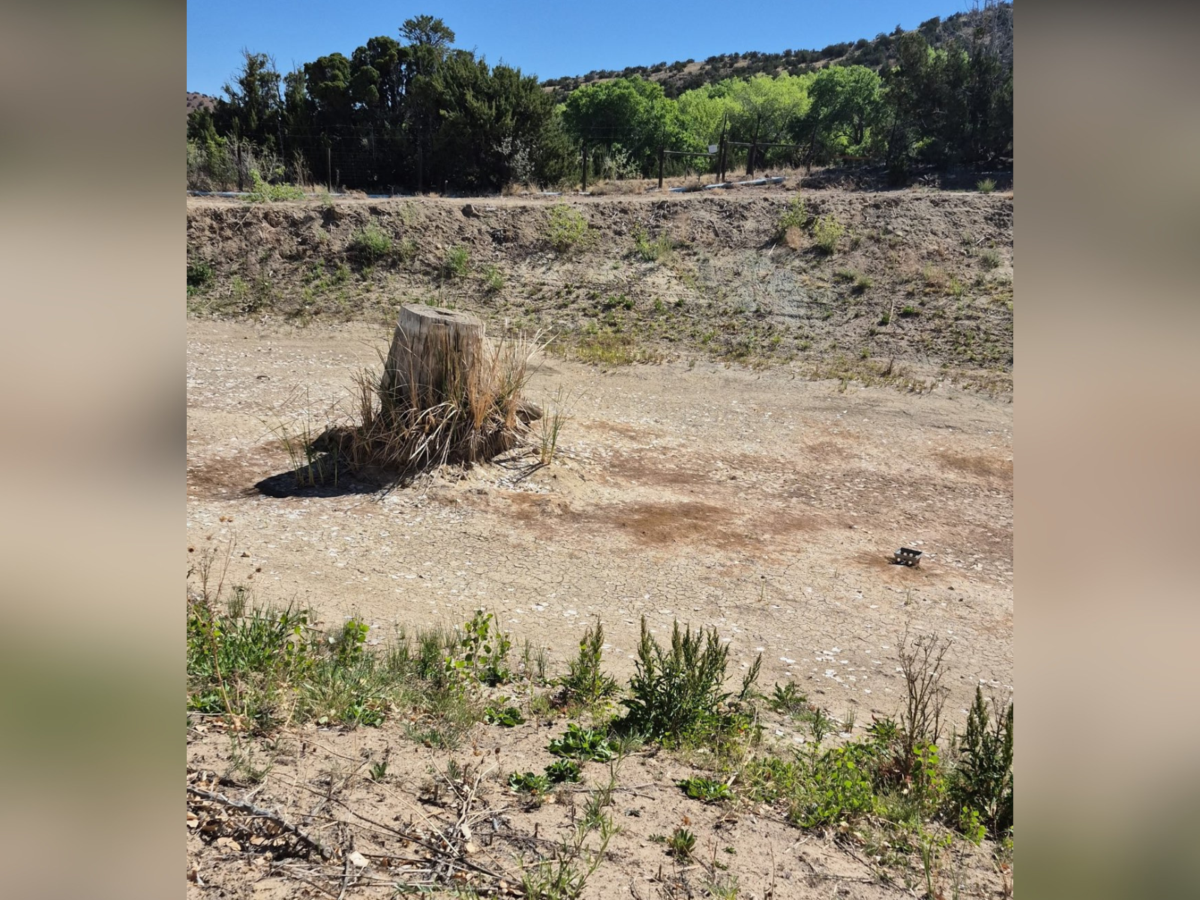
Placitas, like numerous other New Mexico communities, is in dire straits in terms of water supply. The village is looking at severe conservation rules and possibly waterless nights, if help doesn’t come from the skies
Harvey Vigil, mayordomo of Las Acequias de Placitas, told the Sandoval Signpost a second consecutive winter of snowfall and higher early spring temperatures have combined to impact the springs serving the community. He said five of the nine are producing water. Spring One, Vigil said, was providing 240 gallons a minute two years ago, but its output has fallen to zero to five gallons a minute. He said Spring Three, which provides irrigation water, has come to a complete halt.
Vigil said Las Acequias staff will be monitoring the community’s water use and informing residents of any conservation measures. So far, he said, everybody is cooperating but the higher temperatures of summer could be challenging. “We’ll send out emails or notices (asking people to) cut back on the usage,” Vigil said, adding that after that stage, Las Acequias may have to shut the water off during the night, as has occurred in the past. “It’ll be on from 6 in the morning to 7 at night,” he said. “Then we shut it off, so the tanks will fill back up.”
Vigil said Las Acequias had to skip two weeks of scheduled watering this spring in an effort to keep water available. He said he’s hoping a robust monsoon season helps turn the tide. “The village is probably looking at rationing of water if we don’t get the right monsoon,” Vigil said. He is encouraging residents to follow bylaws disallowing the use of “domestic” water — intended for residential use — for irrigating gardens or orchards. Vigil said a lot of residents are replacing swamp coolers with refrigerated air, which will help cut back on water use.
Bert De Lara, a past head of Las Acequias, said the organization is in the process of metering all water connections in the community. He said the future may see a tiered billing system that rewards users who are really good about conserving, with rates getting higher as people use more water.
Share this story and start a conversation