

By Andrea Vasquez
A new mobile behavioral health team is now available in Sandoval County to provide in-person support for residents facing mental health crises, as part of a statewide push to expand access to care in New Mexico.
The University of New Mexico Health Sciences Center recently announced the launch of its latest Behavioral Response Team (BRT), which pairs a peer support worker with a licensed counselor or social worker.
The two-person team responds in person to crisis calls referred through the 988 Suicide and Crisis Lifeline.
UNM officials say the goal is to meet people where they are—often at home—and provide immediate emotional support, safety assessments and referrals for continued care.
By doing so, the BRT helps reduce unnecessary emergency room visits while offering more compassionate, community-based care.
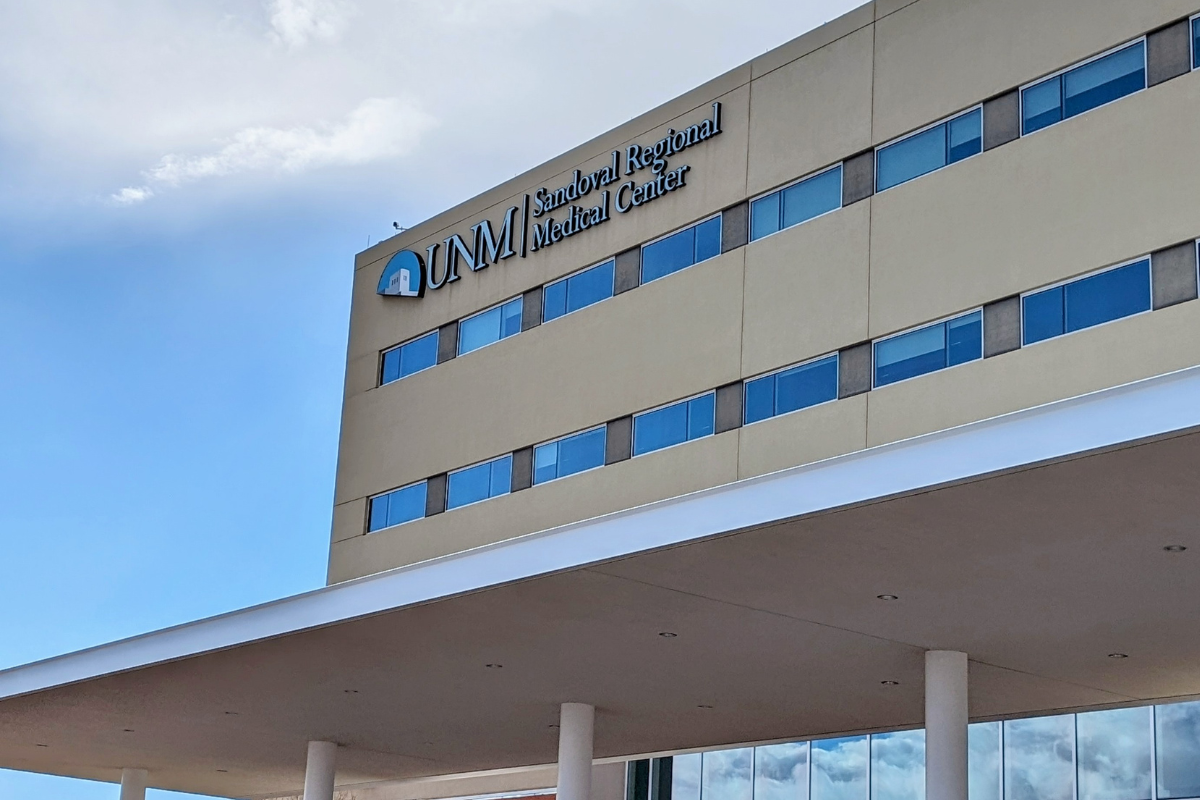
“The pain is so overwhelming for them, it’s hard to cope with. It’s hard to sit in your skin,” said Caprice Pino, director of behavioral health at UNM Sandoval Regional Medical Center. “So, having somebody else who’s willing to hold that for you, just for a little bit, that’s a relief in itself.”
New Mexico currently ranks fourth in the nation for suicide rates, with 24.7 suicides per 100,000 residents, according to recent data.
In 2022, 513 New Mexicans died by suicide, a steady increase from 435 deaths in 2012, according to the New Mexico Department of Health.
Officials hope that programs like the BRT can help by offering timely, human-centered care before a crisis escalates.
UNM’s new Sandoval County unit is the ninth behavioral response team in the state. Similar teams are already operating in Bernalillo, Doña Ana and other counties.
Christopher Morris, PhD, medical director for UNM’s behavioral health programs, said the approach aims to treat mental health crises with the same urgency as physical emergencies.
“Navigating help for behavioral health can be complex. In physical medicine, things are clearer cut. If you broke your ankle, you can’t walk. It hurts like heck. You go to the emergency room. But if you have a broken heart, it’s invisible. It’s inside. Nobody knows, unless you say something, and where do you go for a broken heart?” Morris said.
The BRT initiative is part of the state’s growing investment in community-based mental health services.
“People are more comfortable in their home. They open up more,” Pino said. “That human connection often allows the person to feel like they’re valued and that somebody cared enough to come. Sometimes that’s enough to calm them down.”
The program also supports the larger goal of integrating behavioral health into primary care systems.
During their visit, the team will do everything in their power to make the caller feel safe. However, if they assess that additional help may be needed, the team may either set up a follow-up counseling appointment or, in some cases, transport the patient to the UNM Behavioral Health Crisis Center in Albuquerque for further care.
Sandoval County residents experiencing a mental health emergency can call or text 988, the national mental health crisis line, to be connected with support services.
For ongoing care, residents can also contact the UNM Behavioral Health Clinic in Rio Rancho at (505) 994‑5050.
For non-emergency support and follow-up care, residents can contact:
- UNM Behavioral Health Clinic in Rio Rancho: (505) 994‑5050
- UNM Psychiatric Emergency Services (Albuquerque, all ages): (505) 247‑1121
- UNM Crisis Triage Center (18 and older): (505) 272‑7270
For more information on UNM’s mobile response program, please visit their website.